Key Takeaways:
- Evolving Cost Realities: Baseline national averages for standard roof replacements generally span from $7,500 to $14,000, though unique architectural features and premium materials can easily push these figures much higher.
- Significant Industry Inflation: Driven by persistent supply chain shifts and rising manufacturing expenses, overall residential installation costs have spiked by roughly 33% compared to historical four-year trends.
- Material Longevity versus Upfront Cost: While traditional asphalt remains the most accessible short-term option, alternative materials like metal, tile, or slate offer drastically superior lifespans that can protect a property for half a century or more.
- The Reality of Hidden Expenses: Total project budgets must account for unforeseen variables discovered during tear-down, such as rotting plywood decking, updated municipal ventilation codes, and separate labor fees for solar panel handling.
- Proactive Preparation Pays Off: Securing itemized quotes from multiple verified local professionals—rather than simply choosing the lowest bidder—is essential to ensuring high-quality workmanship and avoiding structural shortcuts.
- Repair versus Replacement Strategy: Isolated damage on a relatively young roof can often be solved with simple patches, but widespread deterioration or aging components mean a comprehensive overhaul is the more sound long-term financial decision.
Putting a new roof over your head is one of those quintessential homeowner milestones that no one actually looks forward to. It is loud, it disrupts your week, and let us be completely honest, it takes a massive bite out of your savings. If your current roof is starting to look a little worse for wear, you are likely wondering what the financial damage will look like this year.
The construction landscape has shifted dramatically over the last few seasons. Supply chain hiccups, shifting labor markets, and broader economic inflation have combined to change the baseline for home improvement pricing. To give you a realistic roadmap, we have dug into the latest industry metrics to reveal the true cost of a full roof replacement in 2026.
What Is the Baseline National Average This Year?
When you begin researching roofing budgets, the sheer variance in numbers can make your head spin. However, macro-level industry data gives us a reliable starting point.
According to recent pricing analysis from Fixr, the typical national baseline for a full residential roof replacement currently sits at $10,000, with most standard projects falling into a wider bracket of $7,500 to $14,000. This baseline generally reflects a standard single-family home utilizing traditional materials.
If your home fits the mold of a standard suburban property with straightforward geometry, this is the neighborhood your foundational estimates will likely live in. But as any seasoned homeowner knows, minimal baselines rarely tell the whole story.
Why Are Residential Roofing Costs Climbing so Fast?
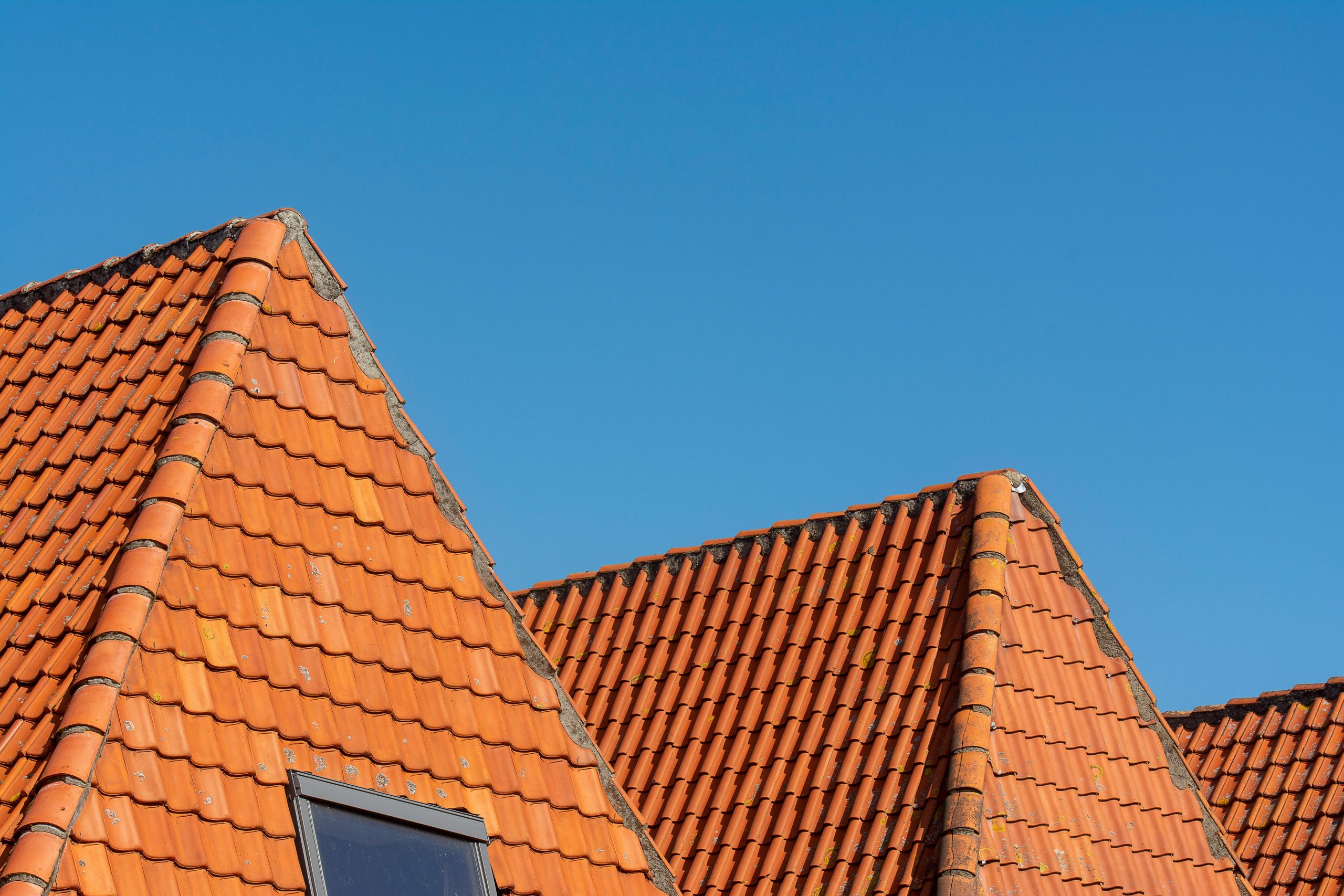
It is not just your imagination; replacing a structural canopy feels significantly more expensive than it did just a few years ago. The underlying data proves that severe upward pressure is actively reshaping the market.
To understand the sheer velocity of these price changes, look at the comprehensive insurance and construction data compiled in the 2026 Verisk U.S. Roof Report. Their analytics reveal that average residential roof replacement costs experienced a massive 33% surge compared to the previous four-year average.
What makes this data point particularly fascinating is that this dramatic spike occurred during a period with lower-than-average hurricane activity. This tells us that the rising costs are not merely a temporary side effect of localized storm damage. Instead, a combination of structural factors is driving the trend:
- Material Price Inflation: The cost to manufacture and ship raw materials like asphalt, metal, and synthetic underlayment has consistently outpaced general economic inflation.
- Persistent Supply Pressures: Wholesale costs for manufacturing architectural components have reached historic highs, meaning local contractors are paying more just to get materials delivered to your driveway.
- Insurer Adjustments: Because overall claim values have skyrocketed, insurance companies are adjusting deductibles and premium structures, pushing more out-of-pocket responsibility onto the property owner.
Which Core Factors Impact Your Final Estimate?
No two homes are built exactly alike, which means no two roofing quotes will look identical. When a contractor steps onto your property to compile an estimate, they are looking at a very specific matrix of variables.
The Actual Footspace of the Structure
It sounds obvious, but size is the ultimate driver of material volume and labor hours. It is vital to note that roofing projects are priced by “squares” rather than simple flat floor space. A roofing square equals 100 square feet of surface area. Because your roof features slopes, peaks, and overhangs, the surface area of the roof will always be larger than the interior square footage of your home.
Labor Dynamics and Local Surcharges
The hands-on work required to safely tear down and rebuild a roof is intense. Labor easily accounts for 40% to 60% of your total invoice. If you live in a high-cost-of-living metropolitan area, local labor rates will naturally pull your total project cost toward the higher end of the national averages.
Complexity, Pitch, and Height
A flat or gently sloping roof is relatively easy for a crew to navigate. A steep, dramatic pitch requires specialized safety harnesses, scaffolding, and slower, more meticulous movements. Furthermore, multi-story homes require extra equipment to lift materials safely, which adds a premium to the labor bill.
How Long Do Different Materials Last and What Do They Cost?
Your choice of material is the single biggest knob you can turn to control the ultimate price tag of your project. It is a balancing act between what you can afford to spend right now and how long you plan to live in the home.
| Roofing Material | Average Estimated Lifespan | Typical Project Cost Range |
| Traditional 3-Tab Asphalt | 15 – 25 Years | $6,000 – $10,000 |
| Architectural Shingles | 20 – 30 Years | $8,000 – $32,000 |
| Modern Metal Panels | 40 – 70 Years | $14,000 – $38,000 |
| Concrete or Clay Tile | 50 – 100 Years | $14,000 – $28,000 |
| Premium Natural Slate | 60 – 100+ Years | $20,000 – $60,000 |
The Value of Asphalt Shingles
Standard asphalt remains the most popular choice across North America because of its approachable entry price. Basic three-tab variations keep upfront costs low, while thicker architectural shingles provide a more distinct dimensional look and better wind resistance for a moderate price step-up.
The Growth of Alternative Options
If you are viewing your home as a lifelong investment, upgrading to metal or tile can make immense financial sense. While a metal roof requires a daunting upfront investment, it easily outlasts two generations of asphalt shingles, resists fire, and can actively lower your summer cooling expenses by reflecting solar heat.
What Hidden Costs Routinely Blindsided Homeowners?
When homeowners budget for a project, they usually multiply the estimated square footage by the material cost and call it a day. That is a recipe for a stressful financial surprise mid-project. A variety of secondary expenses frequently pop up once the work actually begins.
- Rotten Subroof Decking: A contractor cannot know the true condition of your plywood decking until they rip away the old shingles. If chronic, slow leaks have rotted the underlying wood, replacing those panels will cost extra per square foot.
- Bringing Components up to Modern Code: If your home is older, local building codes may have changed since the last roof was put on. You might need to pay for additional intake and exhaust vents to ensure your attic breathes properly.
- Municipal Permits and Disposal Fees: Tearing off a roof generates tons of heavy waste. Dumpster rentals, landfill tipping fees, and local city building permits can easily add several hundred dollars to the final tally.
- Solar Panel Disconnection: If you have a solar array on your house, your roofing crew cannot simply work around it. You will need to coordinate with a solar specialist to safely remove, store, and reinstall the panels, which introduces a distinct secondary labor fee.
How Can You Prepare Smartly for Your Replacement?
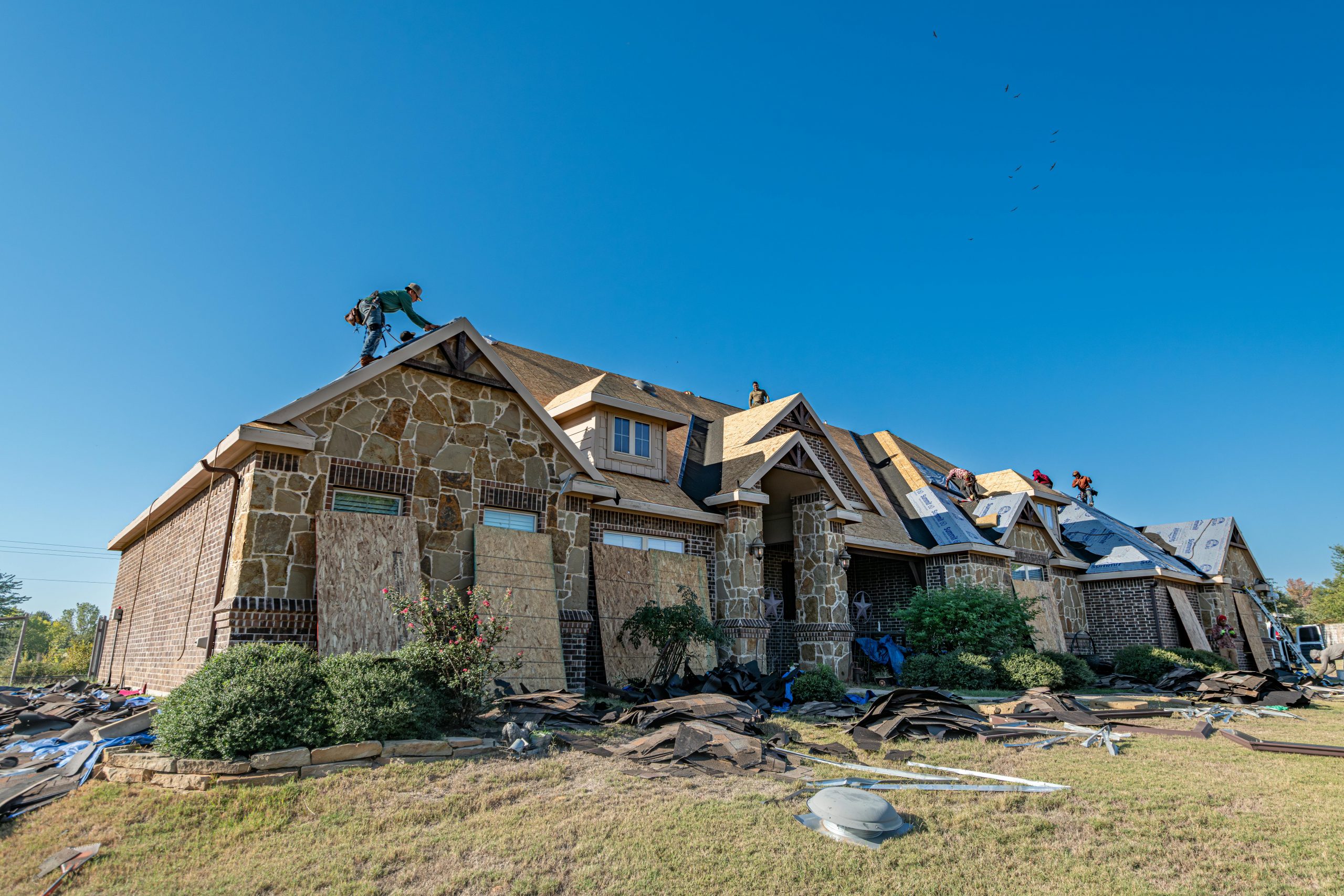
Because the macroeconomic data shows that costs are not dropping anytime soon, taking a structured approach to your project execution is the best way to protect your wallet.
The most effective approach is to separate your planning into logical phases. First, secure multiple comprehensive itemized bids from vetted, local professionals who offer transparent warranties on both the materials and their hands-on workmanship. Avoid signing with the lowest bidder automatically; an unusually cheap quote often signals that a crew is cutting corners on crucial elements like underlayment or ice and water shields.
To keep your sanity intact and ensure no detail gets overlooked during the chaos of construction, it is highly recommended to utilize a comprehensive roof replacement checklist to track local permit approvals, component selections, safety arrangements, and clean-up expectations. Keeping a physical or digital log ensures that you and your chosen contractor remain completely aligned from the initial teardown to the final inspection.
Is It Better to Repair or Replace Your Roof?
If you are looking at a patch of missing shingles after a rough storm, you might not need to go all-in on a full replacement. Small, localized problems are prime candidates for straightforward repairs. If the vast majority of the structure is structurally sound and less than 15 years old, fixing isolated flashing or replacing a few individual shingles is a smart way to buy yourself more time.
However, if your roof is approaching the end of its natural lifespan and you notice widespread granular loss, curling edges, or recurring leaks in multiple rooms, patches are just an expensive band-aid. Investing in a full tear-down gives you a clean slate, protects your home’s equity, and ensures your family stays dry and secure for decades to come. Knowing the real economic realities of the current market allows you to approach local contractors with confidence and budget effectively for the road ahead.
Final Thoughts: Navigating Your Investment with Confidence
A full roof replacement is undoubtedly a major financial undertaking, but it is also one of the most critical investments you will ever make in your home’s longevity and structural integrity. With macro-level market factors and historical material shifts driving up baseline costs, entering the process with a clear, data-driven understanding of the landscape is your best defense against unexpected financial stress.
By understanding the key variables that influence pricing—from structural complexity to material lifespans—and accounting for potential hidden expenses ahead of time, you can approach local contractors from a position of confidence. Taking the time to plan diligently, vet your professionals thoroughly, and budget realistically ensures that your new roof will protect your home, your family, and your financial peace of mind for decades to come.