
Your home’s exterior does more than create curb appeal—it serves as the first line of defense against weather, moisture, and structural damage. Over time, even the most well-built homes begin to show signs of wear. The challenge for many homeowners is knowing when those signs indicate simple maintenance versus a need for major upgrades.
Ignoring early warning signals can lead to expensive repairs, reduced energy efficiency, and even safety concerns. By learning how to recognize the most common red flags, you can take proactive steps to protect your investment and maintain your home’s value.
This guide breaks down the most important signs to watch for and offers practical advice on what to do next.
Shingle Damage and Roof Aging You Shouldn’t Ignore
One of the clearest indicators that your home needs attention is visible wear on your roof. Over time, exposure to sun, wind, and rain causes roofing materials to deteriorate, even if the damage isn’t immediately obvious. Many homeowners don’t realize how quickly minor issues can escalate into major repairs when left unaddressed. Regular exposure to UV rays can weaken shingles and reduce their effectiveness over time. Additionally, fluctuating temperatures can cause expansion and contraction, accelerating the aging process.
What to look for:
- Curling or buckling shingles
- Missing shingles after storms
- Bald spots where granules have worn away
- Dark streaks or discoloration
These issues may seem minor at first, but they often signal deeper problems beneath the surface.
Why this matters:
Damaged shingles compromise your roof’s ability to repel water. Once moisture seeps in, it can lead to rot, mold, and insulation damage.
Actionable steps:
- Perform a visual inspection from the ground using binoculars
- Check your attic for signs of light coming through the roof
- Document problem areas with photos for reference
If you notice multiple problem areas, it’s time to bring in a roofer for a professional evaluation. Experienced residential roofers can determine whether repairs will suffice or if a full replacement is necessary, helping you avoid costly surprises down the road.

Water Stains and Interior Leaks That Signal Bigger Problems
Water intrusion is one of the most serious issues a homeowner can face. By the time you see stains or drips, the damage has often been developing for a while behind the scenes. Addressing these issues early can save you from extensive structural repairs and health risks associated with mold. Leaks can also compromise electrical systems if water reaches wiring or fixtures. In many cases, unnoticed moisture buildup can weaken structural components over time.
Common warning signs:
- Brown or yellow stains on ceilings
- Peeling paint or bubbling drywall
- Damp insulation in the attic
- Musty odors in certain rooms
Why leaks are tricky:
Water doesn’t always enter directly above the visible damage. It can travel along beams and surfaces before appearing inside your home, making it difficult to pinpoint the source.
What to do immediately:
- Place a container to catch active drips
- Move valuables away from affected areas
- Take photos for insurance documentation
If the leak is severe or sudden, calling for emergency roof repair is critical to prevent further structural damage. Routine roof maintenance services can also help identify vulnerable areas before they turn into major problems, making prevention just as important as repair.
Drafty Rooms and Rising Energy Bills From Poor Windows
If your energy bills are climbing and certain rooms feel uncomfortable, your windows may be to blame. Older or poorly installed windows often allow air to escape, forcing your heating and cooling systems to work harder than necessary. Over time, this inefficiency can significantly increase your utility costs. Inconsistent indoor temperatures can also make certain areas of your home difficult to use comfortably. Poor window performance may even place unnecessary strain on your HVAC system, shortening its lifespan.
Signs your windows are underperforming:
- Noticeable drafts near window frames
- Difficulty opening or closing windows
- Condensation between glass panes
- Increased outside noise indoors
Simple tests you can try:
- Hold a candle near the window edge to detect airflow
- Feel for temperature differences around the frame
- Inspect seals for cracks or gaps
When to upgrade:
If multiple windows show these issues, repairs may not be enough to restore efficiency. Working with a window contractor ensures proper installation and sealing for long-term performance. Choosing local window replacement services can further improve your home’s comfort and efficiency while providing solutions tailored to your climate.
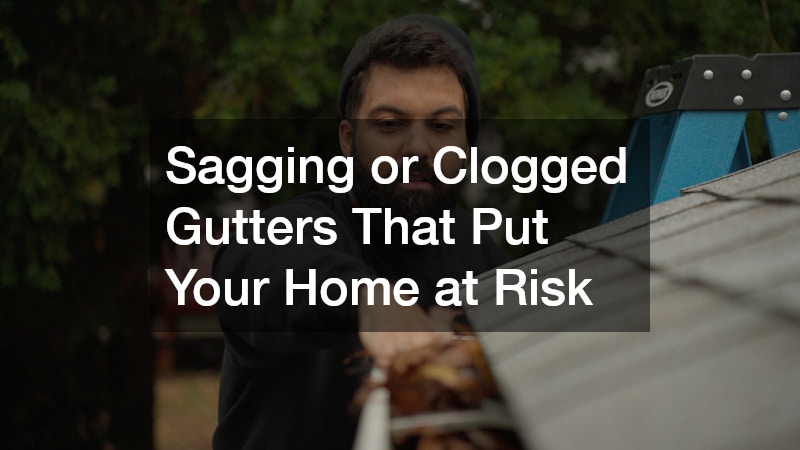
Sagging or Clogged Gutters That Put Your Home at Risk
Gutters play a crucial role in directing water away from your home, protecting both the roof and the foundation. When they become clogged, damaged, or outdated, they can no longer perform this essential function effectively. Many homeowners underestimate how much damage failing gutters can cause over time. Leaves, debris, and even pests can quickly clog gutters and restrict water flow. Over time, this buildup can lead to overflow that damages multiple areas of your home’s exterior.
Warning signs to watch:
- Water spilling over the sides during rain
- Sagging or detached sections
- Rust, cracks, or holes
- Pools of water near your foundation
Why this matters:
Improper drainage can lead to foundation cracks, basement flooding, roof edge damage, and soil erosion around your home.
Maintenance tips:
- Clean gutters at least twice a year
- Install guards to reduce debris buildup
- Check downspouts for blockages
If your system is outdated or frequently failing, it may be time for a full gutter installation. Many homeowners also benefit from seamless gutter installation, which reduces leaks and provides a cleaner, more durable solution for long-term protection.
Peeling Paint and Warped Siding That Signals Structural Issues
Your home’s siding acts as a protective shell that shields the interior from the elements. When it begins to deteriorate, it exposes the underlying structure to moisture, pests, and temperature fluctuations. Even cosmetic issues like peeling paint can be early warning signs of more serious problems beneath the surface. Prolonged exposure to harsh weather conditions can accelerate siding deterioration. Small cracks or gaps can expand over time, allowing water to seep into the structure.
Signs of siding problems:
- Peeling or bubbling paint
- Warped or cracked panels
- Soft spots when pressed
- Faded or uneven coloring
What causes these issues:
- Prolonged exposure to moisture
- Poor installation
- Aging materials
Why it’s important:
Damaged siding allows water to penetrate your home’s structure, leading to mold growth and wood rot if not addressed promptly.
What you can do:
- Inspect your siding annually for visible damage
- Clean surfaces to remove dirt and mildew
- Seal small cracks before they expand
For more extensive damage, siding contractors can assess whether repairs or replacement is the best option. Incorporating siding upkeep into your overall roof maintenance services plan helps ensure your entire exterior remains strong and weather-resistant.
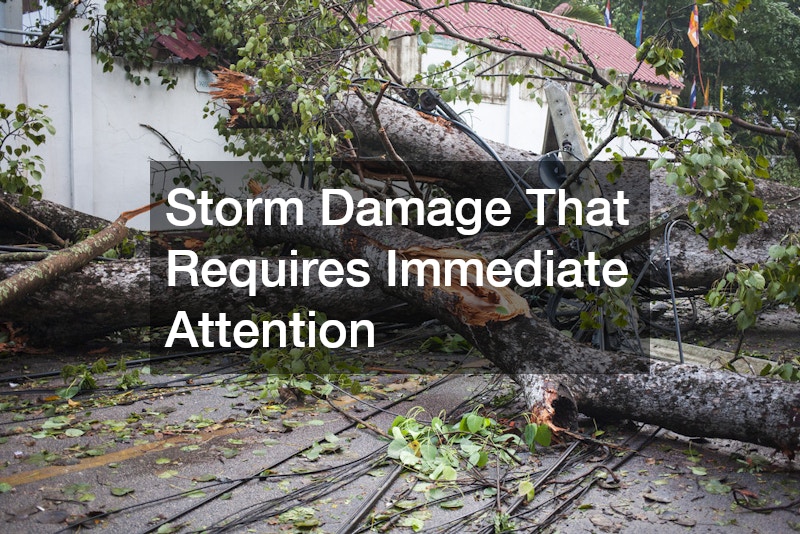
Storm Damage That Requires Immediate Attention
Severe weather can cause sudden and significant damage to your home’s exterior. High winds, hail, and heavy rain can all compromise the integrity of your roof and surrounding structures. Even if everything appears intact from the ground, hidden damage may still exist and worsen over time. Storm debris can impact vulnerable areas and create openings for water intrusion. Additionally, repeated exposure to extreme weather can weaken materials and shorten their lifespan.
Common types of storm damage:
- Hail dents on shingles and metal surfaces
- Missing or lifted roofing materials
- Broken branches are impacting the roof
- Water intrusion from wind-driven rain
Post-storm inspection checklist:
- Walk around your property and look for debris
- Check gutters and downspouts for damage
- Inspect ceilings and attic spaces for leaks
When to act quickly:
If you notice major damage or active leaks, it’s essential to act fast. Calling for emergency roof repair can prevent further complications and protect your home from additional exposure. A qualified roofer can conduct a thorough inspection and ensure all damage is properly addressed.
HOA Requirements and Neighborhood Standards You Must Meet
If you live in a managed community, exterior upgrades often need to meet specific guidelines set by your homeowners’ association. These rules are designed to maintain a consistent appearance throughout the neighborhood, but they can also add complexity to your project. Understanding these requirements ahead of time can help you avoid delays and penalties. Failing to comply with HOA standards can result in fines or mandatory corrections. Planning ahead ensures your project moves forward smoothly without unnecessary setbacks.
Common HOA requirements:
- Approved roofing materials and colors
- Consistent siding styles
- Restrictions on visible modifications
- Guidelines for gutter systems
How to stay compliant:
- Review your HOA’s governing documents before starting work
- Submit required applications and approvals
- Keep records of all communications
Why professional help matters:
Working with HOA roofing contractors can make the process much smoother, as they understand local rules and approval procedures. Partnering with residential roofers who are familiar with these standards ensures your upgrades meet all requirements while maintaining quality and durability.
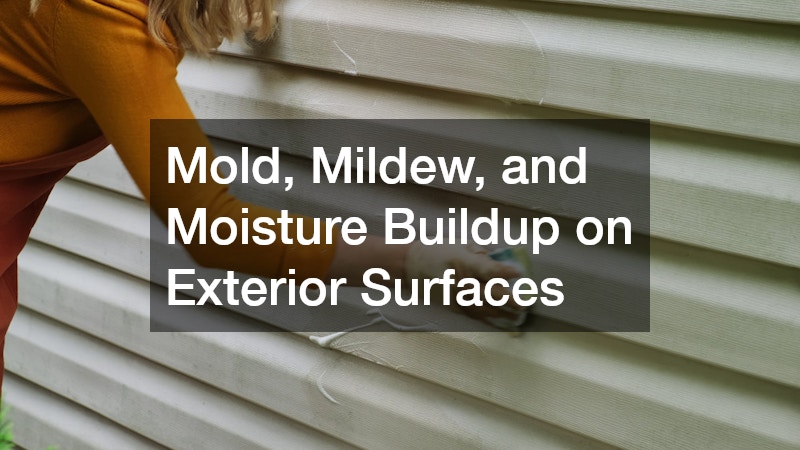
Mold, Mildew, and Moisture Buildup on Exterior Surfaces
Moisture problems often start small but can quickly escalate into serious concerns if left untreated. Areas of your home that remain damp for extended periods create the perfect environment for mold and mildew growth. Over time, this not only affects appearance but can also compromise structural integrity. Moisture issues are especially common in shaded or poorly ventilated areas of the home. If left unchecked, these conditions can spread and impact larger portions of your exterior.
Signs of moisture buildup:
- Green or black streaks on siding
- Mold growth near roof edges
- Persistent damp areas after rain
- Musty smells outside the home
Causes:
- Poor ventilation
- Clogged or improperly installed drainage systems
- Shaded areas that retain moisture
Risks:
- Health issues from mold exposure
- Structural damage over time
- Decreased property value
Prevention tips:
- Keep surfaces clean and dry
- Ensure proper airflow around your home
- Address drainage issues promptly
Partnering with siding contractors can help resolve existing damage and prevent future issues. Proper gutter installation also plays a key role in directing water away from your home, reducing the risk of recurring moisture problems.
Outdated Exterior Features That Lower Property Value
Even if your home is structurally sound, outdated exterior features can make it look worn and less appealing. Buyers and neighbors alike often judge a property based on its exterior condition, which directly impacts perceived value. Keeping your home updated helps maintain both its appearance and its marketability. Older materials can also be less energy-efficient and more prone to damage. Updating these features can improve both performance and aesthetics at the same time.
Signs your exterior needs modernization:
- Faded or mismatched materials
- Old-style windows that lack efficiency
- Visible wear that dates your home
- Inconsistent design elements
Why upgrades matter:
Modernizing your exterior can improve curb appeal, increase property value, and enhance overall energy efficiency.
Smart upgrade options:
- Replace aging windows with energy-efficient models
- Update gutters for better performance and aesthetics
- Refresh siding with modern materials
Investing in local window replacement services ensures your upgrades are tailored to your region and climate. Adding seamless gutter installation can further enhance both functionality and visual appeal, creating a more polished and durable exterior.
Lack of Routine Inspections Leading to Major Repairs
One of the most common reasons homeowners face costly repairs is neglecting regular inspections. Small issues often go unnoticed until they develop into major problems that require significant investment to fix. Establishing a consistent inspection routine can help you stay ahead of potential damage. Many homeowners only react after a problem becomes visible, which can increase repair costs. Preventive care is always more affordable and less stressful than emergency fixes.
Why inspections are essential:
- Catch small issues before they escalate
- Extend the lifespan of exterior components
- Maintain overall home value
What to include in your checklist:
- Roof condition and visible damage
- Window seals and operation
- Siding integrity
- Gutter performance
Recommended schedule:
- Annual professional inspection
- Seasonal self-checks after extreme weather
Regular roof maintenance services help identify potential problems early, allowing for timely repairs. Working with a window contractor also ensures your windows remain efficient, secure, and capable of protecting your home year-round.
Protecting Your Home with Timely Exterior Upgrades
Taking care of your home’s exterior isn’t just about appearances—it’s about long-term protection and peace of mind. Recognizing early warning signs allows you to address issues before they escalate into costly repairs or safety concerns. Proactive maintenance also helps preserve your home’s structural integrity over time. Investing in upgrades when needed can prevent more extensive damage in the future.
By staying proactive and investing in timely upgrades, you can improve your home’s efficiency, durability, and overall value. Consistent maintenance and professional guidance will ensure your home remains a safe and comfortable place for years to come.