Critical Solutions for Maintaining Coastal Property Integrity and Performance
For the modern homeowner in a coastal environment, the intersection of lifestyle and property management requires a heightened level of technical awareness. While the aesthetic appeal of a seaside residence is undeniable, the environmental stresses placed upon such structures are significantly higher than those found in inland regions. Salt-laden air, high UV exposure, and periodic high-velocity wind events create a “corrosive” atmosphere that can accelerate the degradation of building materials. To maintain both the market value and the structural safety of a coastal asset, a homeowner must adopt a comprehensive restoration mindset that prioritizes long-term resilience over superficial aesthetics.
This guide provides a detailed analysis of the ten most critical systems that define a high-performing coastal property. By auditing these zones through a lens of environmental endurance and mechanical efficiency, you can identify the targeted “solutions” that matter most. From the specialized requirements of low-slope roofing to the internal systems that regulate indoor air quality and moisture levels, these strategies offer the professional-grade oversight necessary to protect your real estate investment. By committing to this systematic approach, you ensure that your residence remains a safe, efficient, and durable sanctuary that stands up to the unique demands of the Southern California climate.
Navigating the Challenges of Low-Slope Roofing Systems
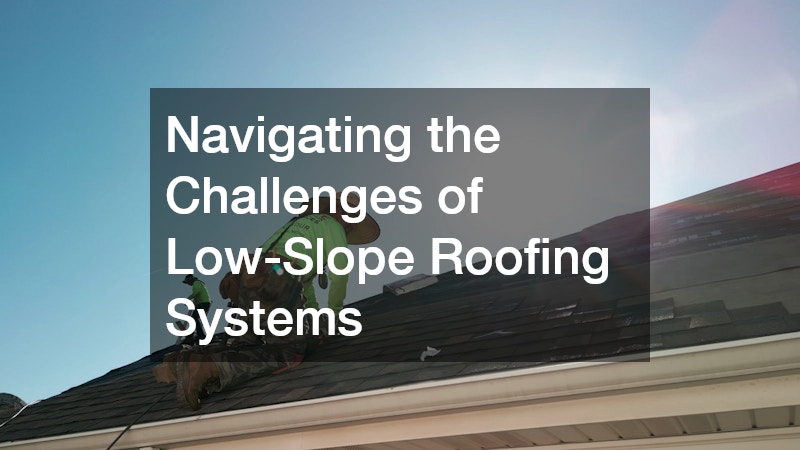
In coastal architecture, the presence of a flat roof is a common design choice that allows for expansive views and modern aesthetic lines. However, these systems require a much higher level of maintenance than traditional pitched roofs because they do not benefit from gravity-fed drainage. In a coastal environment, standing water and accumulated salt can quickly break down the protective membranes of a low-slope system. A proactive audit involves checking for “ponding”—areas where water remains for more than 48 hours after a rain event—which is a leading indicator of substrate failure. Ensuring that drains and scuppers are clear is the primary “best practice” for extending the life of these specialized systems.
Beyond water management, low-slope roofs in sunny climates face intense thermal stress. UV radiation can cause the membrane to become brittle and crack, a process known as “alligatoring.” When these symptoms appear, it is essential to consult with experienced roofers who specialize in modern synthetic membranes like TPO or PVC. These materials are engineered to reflect heat and resist the chemical degradation caused by salt air. By investing in high-performance materials and professional installation, you transform your roof from a potential liability into a high-reflectivity asset that lowers your cooling costs and provides a robust primary weather barrier for your home.
Restoring the Exterior Protective Shell
The exterior walls of a home serve as the secondary line of defense against environmental intrusion, and in coastal regions, the choice of cladding is critical. Traditional Southern California homes rely heavily on stucco services to provide a durable and fire-resistant finish. However, stucco is a porous material that can develop “hairline cracks” over time due to seismic movement or thermal expansion. If these cracks are neglected, they allow salt-laden moisture to reach the underlying wooden framing, leading to silent rot. A structural audit involves tapping on the stucco surface to listen for “hollow” sounds, which indicate that the material has delaminated from the lath.
Proactive restoration involves the application of elastomeric coatings that move with the building while providing a waterproof seal. This “breathable” barrier allows internal moisture to escape while blocking external salt air from entering. By maintaining a hermetically sealed exterior, you protect the core infrastructure of the house and maintain the crisp, clean aesthetic that defines coastal curb appeal. This attention to the “envelope” of the building is a core component of asset protection, ensuring that the primary materials of the house remain functional and beautiful for decades, regardless of the weather.
Managing the Aftermath of Environmental Intrusion
When the exterior envelope fails, whether through a roof leak or a window seal breach, the results can be catastrophic for the home’s interior health. In the high-humidity environment of the coast, moisture that reaches the wall cavity can quickly lead to the growth of harmful fungi. If you notice a persistent musty odor or visible spotting on drywall, it is imperative to engage professional mold remediation services immediately. These experts use specialized containment and air filtration systems to remove the contaminated materials without spreading spores to the rest of the home. This is more than just a cleaning task; it is a critical health-and-safety intervention.
The success of any restoration project depends on the speed of the response. Standing water must be extracted, and the environment must be mechanically dried within 24 to 48 hours to prevent long-term structural decay. This is why a partnership with a reputable water damage company is a cornerstone of any coastal property management plan. These professionals use industrial-grade dehumidifiers and moisture meters to ensure that the subflooring and framing are completely dry before new finishes are applied. By acting quickly and decisively, you prevent a minor leak from becoming a total structural failure, preserving your home’s equity and your family’s safety.
Regulating Year-Round Climate and Air Quality
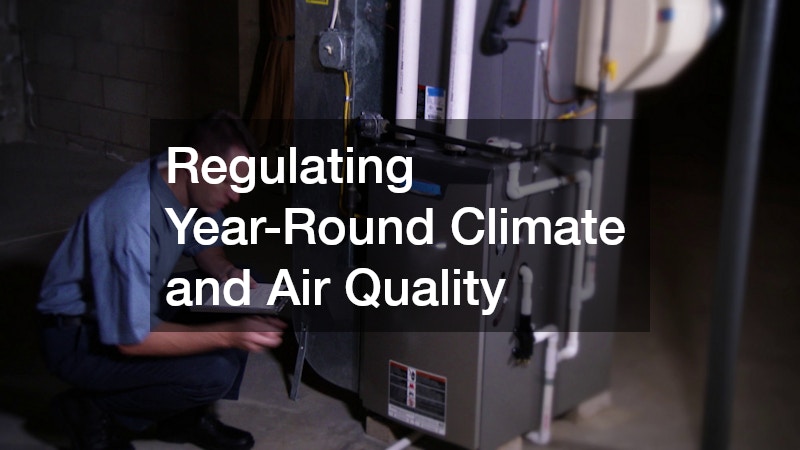
The mechanical heart of a modern residence is the HVAC system, which regulates everything from temperature to humidity and internal air filtration. In coastal climates, the outdoor condenser unit is subject to extreme salt-spray corrosion, which can eat through the aluminum fins and copper coils in a matter of years. A sustainable maintenance plan involves scheduling regular HVAC repairs and cleaning to remove salt buildup and ensure the unit is operating at its intended efficiency. A technician can also apply a specialized anti-corrosive coating to the coils, an essential “fix” that can double the life of a seaside system.
In addition to exterior maintenance, the internal health of the home depends on a balanced air delivery network. If your home has rooms that are consistently damp or difficult to cool, it may indicate a failure in the ductwork or the unit’s ability to dehumidify. When a system reaches the end of its functional life, a full furnace replacement or heat pump installation provides an opportunity to upgrade to high-efficiency, multi-stage filtration. These modern systems not only lower your utility bills but also provide a superior barrier against external allergens and salt air, creating a truly optimized and comfortable living environment for your family.
Maintaining Internal Fluid Dynamics and Safety
The plumbing infrastructure of a home is a complex network of pressurized lines that must remain perfectly sealed to prevent internal damage. In an older coastal residence, the pipes may be subject to internal corrosion from mineral-rich water or external “pitting” from the humid atmosphere. A proactive audit involves checking every exposed valve and junction in the utility room for signs of oxidation or slow drips. Relying on a professional plumbing company for a whole-home pressure test is the only way to identify leaks that are otherwise hidden behind finished walls. These “silent” failures are a leading cause of moisture-related structural rot.
Protecting this infrastructure also involves managing the pressure and quality of the water as it enters the home. High water pressure can stress joints and cause appliances like dishwashers and water heaters to fail prematurely. A professional audit can help you decide if a pressure-reducing valve or a whole-home filtration system is a necessary upgrade to protect your investment. By ensuring that the water flowing through your home is clean and that the delivery system is structurally sound, you create a sustainable utility environment that supports every other area of your life with maximum mechanical reliability and minimal environmental footprint.
Extending the Lifespan of Primary Paved Surfaces
The exterior surfaces of your home, including the driveway and walkways, are subject to extreme structural stress from the coastal sun and the weight of modern vehicles. A cracked or crumbling driveway is more than an aesthetic issue; it can allow water to reach the soil beneath your foundation, leading to “heaving” and structural shifts. For homeowners with asphalt driveways, consulting with a reputable local asphalt company for regular sealcoating is an essential maintenance task. By applying a fresh protective layer every few years, you “lock in” the oils that keep the surface flexible, preventing the asphalt from becoming brittle and crumbling under the intense Southern California sun.
Beyond the driveway, the concrete walks and pool decks require periodic audits for settling or “spalling.” A dark, freshly sealed asphalt surface provides a high-contrast backdrop that makes your landscape colors “pop” and signals that the property is managed with a “no corners cut” philosophy. By preserving your existing surfaces through targeted maintenance, you save significant amounts of energy and material compared to a total tear-out. This attention to the home’s “arrival experience” is a high-value intervention that ensures your home stands out in the neighborhood and remains safe for visitors and family alike.
Optimizing Water Management and Drainage Systems
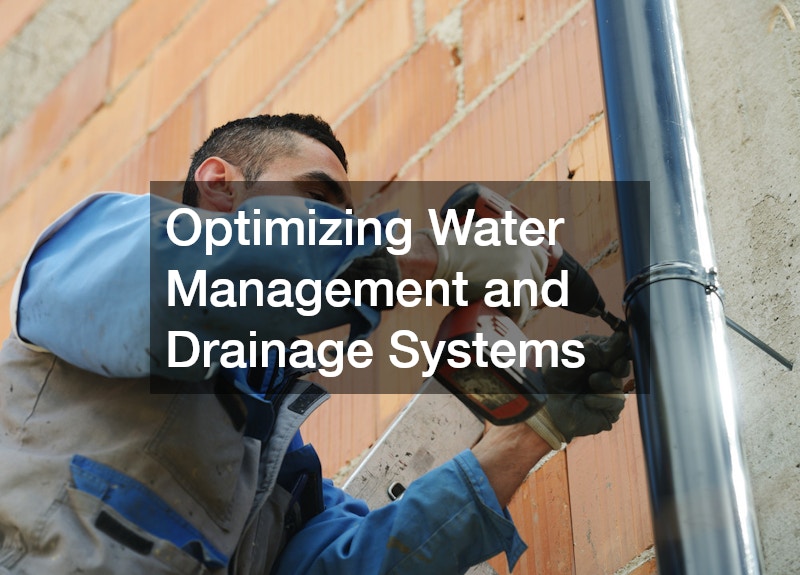
Water is the primary enemy of structural longevity, and the management of runoff is critical in a coastal environment. Even in regions with lower annual rainfall, periodic high-intensity storms can overwhelm a neglected drainage system. A proactive audit involves checking the slope and integrity of every run. If your gutters are sagging, leaking, or rusted through from salt air, a full gutter replacement is a high-value “home saving” move. Modern seamless systems are engineered to handle high volumes of water and carry it far away from the foundation, preventing soil erosion and hydraulic pressure that lead to foundation cracks.
Maintaining this system involves more than just cleaning out leaves; it requires checking the fascia boards and “drip edges” for signs of rot. If moisture is trapped behind the gutter, it will eventually reach the structural rafters of the home. This is why professional oversight is so critical; a technician can ensure that the system is flashed correctly and that the downspouts are integrated into a functional drainage network. By keeping your water management infrastructure in peak condition, you protect your siding, your windows, and your foundation from the constant stress of moisture, ensuring your home remains dry and stable for the long haul.
Ensuring Structural Integrity through Targeted Repairs
The longevity of a home is ultimately a measure of how well its individual components are maintained. When a specific system shows signs of failure, a localized intervention is often the most cost-effective way to prevent a total collapse. For example, if you notice a small leak after a windstorm, engaging a local roof repair service is a critical first step. A professional can identify if the issue is a simple flashing failure or a more complex problem with the underlying decking. By fixing these minor issues early, you extend the life of the entire roof and avoid the high costs of a total replacement before it is truly necessary.
This philosophy of “targeted repair” should extend to every area of the property, from the seals on your windows to the valves in your plumbing. Every audit should conclude with a prioritized list of maintenance tasks that move the home toward a more efficient and durable future. By shifting your perspective from a passive dweller to an active asset manager, you ensure that every dollar spent is an investment in the home’s long-term health. A smart, sustainable home is one where every surface and system is intentionally cared for as part of a larger, unified plan for excellence, protecting the sanctuary where your life happens from the effects of time and nature.
Maximizing Residential Utility through Professional Oversight
The modern home is a complex machine that requires specialized knowledge to operate at peak efficiency. While DIY projects are rewarding for aesthetics, the technical health of your building’s envelope and mechanical systems requires professional-grade diagnostics. Whether you are consulting with roofers about solar-ready membranes or talking to a restoration expert about moisture management, the goal is to make informed, data-driven decisions. Professional oversight provides the peace of mind that comes from knowing your home is not just “fixed,” but optimized for the specific challenges of your local environment.
This professional approach should also include energy audits and structural inspections. By investing in professional inspections today, you avoid the chaos and waste of system failures tomorrow. A truly high-performing coastal residence is one where the infrastructure is as robust as the visible finishes. By maintaining a clear history of professional service and upgrades, you create a property that is highly desirable in any real estate market. This is the ultimate “best practice” for the modern homeowner: embracing the expertise needed to keep your home running like a finely tuned machine, regardless of the environmental stresses it may face.
The Holistic Integration of Systems and Surface Care
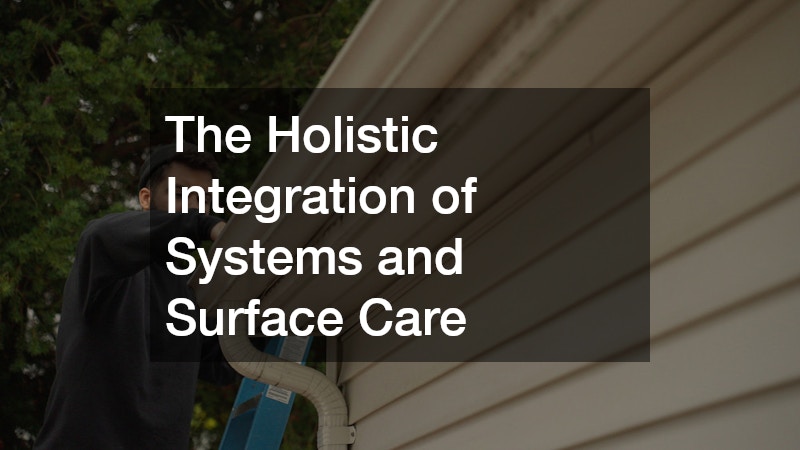
In a truly high-performing home, every individual component works in harmony with the others. The roof sheds water into the gutters, which carry it away from the foundation and the driveway. The HVAC system regulates the internal environment, supported by a robust thermal envelope and high-quality stucco. This holistic view of the property is the secret to successful long-term management. When you audit your home, do not just look at the individual parts; look at how they interact. A slow leak identified by a professional might be causing high humidity that forces your cooling unit to work harder, highlighting the deep interconnectedness of your household’s health.
This integrated approach also allows you to plan your property improvements more strategically. If you are hiring a crew for a gutter replacement, that is the perfect time to have your roof and fascia checked as well. If you are having your HVAC serviced, consider how your window seals or insulation could be improved to prevent future issues. By grouping these sustainable “fixes,” you reduce the number of service calls, lower your overall maintenance costs, and ensure that every upgrade contributes to the overall performance of the property. A smart, sustainable house is one where every surface and system is intentionally cared for as part of a larger, unified plan for excellence and long-term asset protection.
In conclusion, the journey toward a truly resilient and well-maintained coastal home is one of consistent observation and incremental improvement. By shifting your perspective from that of a passive dweller to that of an active, engaged asset manager, you ensure that your property remains a source of pride and financial security rather than a source of persistent stress. Completing a comprehensive audit across these ten critical zones—from the specialized requirements of a flat roof to the internal systems regulated by your HVAC—allows you to prioritize repairs based on actual data rather than reacting to emergencies.
This proactive approach not only saves significant amounts of money in the short term by preventing major system failures, but it also preserves the long-term structural integrity and aesthetic appeal of your home. When you take the time to inspect, evaluate, and upgrade each system systematically, you are doing more than just fixing pipes or painting walls; you are investing in the sanctuary where your life happens. Start your maintenance audit today, and enjoy the profound peace of mind that comes from knowing every surface and system in your home is optimized for excellence and built to last in the modern world.