Why Proper Roof Care Matters More Than You Think
Your roof is one of the most important components of your home, yet it’s often overlooked until something goes wrong. It protects everything beneath it—from your structure to your belongings—against weather, moisture, and temperature fluctuations. Without proper care, even minor issues can quickly turn into expensive repairs. A small leak, for example, can lead to water damage, mold growth, and even compromised structural integrity if left untreated.
Taking a proactive approach helps you avoid sudden problems and extends the lifespan of your roof. Regular inspections, timely repairs, and smart upgrades all contribute to long-term performance. By catching issues early, you can often fix them quickly and at a lower cost, rather than dealing with major damage later. Preventative care also helps maintain your home’s energy efficiency by ensuring proper insulation and ventilation are functioning as they should.
Whether your home is new or decades old, understanding how to care for your roof can save you money and reduce stress. Staying consistent with maintenance not only protects your investment but also provides peace of mind during severe weather conditions. This guide breaks down everything homeowners need to know, offering practical steps you can take to keep your roof in excellent condition year-round while avoiding unnecessary repairs and long-term complications.
Understand the Structure and Materials of Your Roof
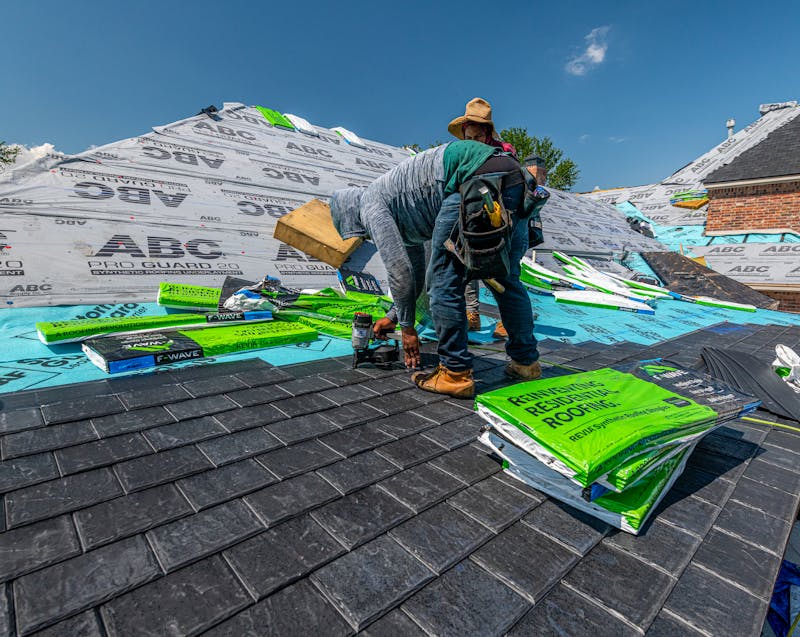
To properly care for your roof, it’s essential to understand how it works. A complete roofing system is made up of several layers, including shingles or tiles, underlayment, flashing, and ventilation components. Each part plays a role in protecting your home from water intrusion and environmental damage.
Residential roofing systems can vary widely depending on the materials used. Asphalt shingles are common due to their affordability, while metal, wood, and other materials offer different benefits. The climate in your area also impacts how your roof performs over time, influencing how quickly materials wear down.
Understanding these basics allows you to make informed decisions about repairs and upgrades. For example, knowing where flashing is installed can help you identify potential leak points during inspections. When you understand how your roof functions as a system, you’re better equipped to maintain it effectively and recognize issues before they worsen.
Build a Seasonal Inspection Routine That Works
Regular inspections are one of the most effective ways to stay on top of roof maintenance. Instead of waiting for visible damage, creating a seasonal routine helps you catch small problems early.
In the spring, check for damage caused by winter weather, such as cracked shingles or loose materials. Summer is a good time to look for signs of heat-related wear, like curling or fading. In the fall, focus on clearing debris and preparing for colder temperatures. During winter, keep an eye out for ice buildup and potential leaks.
You don’t need to climb onto your roof to perform an inspection. A visual check from the ground using binoculars can reveal many issues. Pay attention to uneven areas, discoloration, or debris accumulation. Inside your home, look for water stains on ceilings or walls, which can indicate a hidden leak.
Staying consistent with roof maintenance ensures that minor concerns are addressed before they turn into major repairs.
Decide Between Repairs and Full Replacement
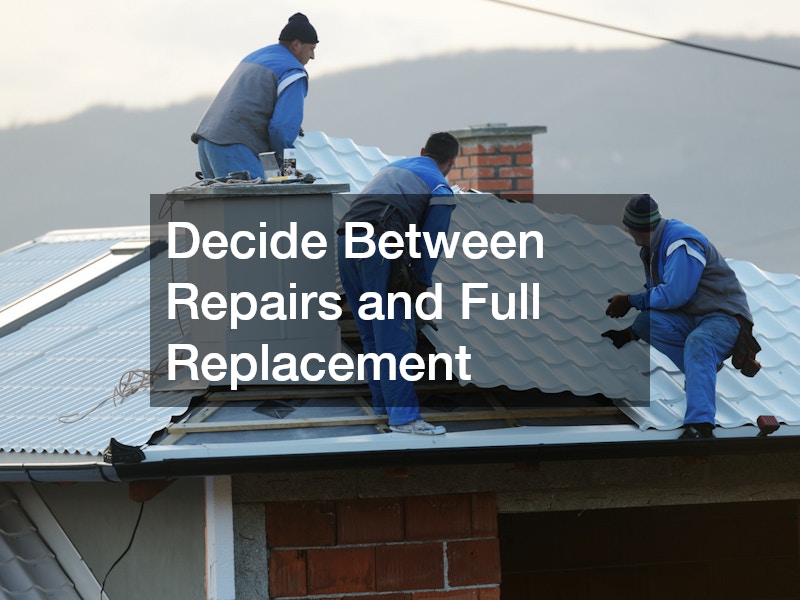
At some point, every homeowner faces the question: should you repair your roof or replace it entirely? The answer depends on the extent of the damage, the age of your roof, and your long-term plans. A newer roof with isolated issues is usually a good candidate for repairs, while an older roof nearing the end of its lifespan may benefit more from a full replacement.
A professional roofing service can assess the condition of your roof and provide recommendations based on its current state. Minor issues like a few missing shingles or small leaks can often be repaired quickly and affordably. However, widespread damage or structural concerns may require a full replacement. For example, if you’re dealing with recurring leaks in multiple areas, it may indicate deeper problems that repairs alone won’t fix.
Working with a qualified roofing contractor ensures that you receive an accurate evaluation. They can help you weigh the costs and benefits of each option, taking into account factors like material lifespan and future maintenance needs. They may also identify underlying issues, such as poor ventilation or water damage, that could influence your decision.
It’s also important to consider long-term value. While repairs may seem more cost-effective upfront, frequent fixes can add up over time. Making the right decision at the right time can prevent repeated repairs and ultimately save you money while ensuring your home remains protected.
Maintain Proper Drainage Around Your Roof
Water management is a critical part of roof care. Without proper drainage, water can accumulate and cause damage to both your roof and your home’s foundation. Over time, standing water can weaken roofing materials, seep beneath shingles, and create hidden leaks that are difficult and expensive to repair. In colder climates, trapped water can also freeze and expand, leading to cracks and further structural issues.
Gutter services play an important role in directing water away from your roof. When gutters are clogged with leaves and debris, water can overflow and seep into vulnerable areas. This can lead to rot, mold, and structural damage over time. Overflowing water may also damage siding, stain exterior walls, and erode the soil around your foundation, increasing the risk of basement flooding.
Scheduling regular gutter maintenance services helps keep your system functioning properly. Cleaning your gutters at least twice a year—more often if you have nearby trees—can prevent blockages and ensure smooth water flow. Installing gutter guards can also reduce debris buildup and minimize the frequency of cleanings.
Additionally, check that downspouts are positioned to direct water away from your home. Small adjustments can make a big difference in preventing long-term damage. Extending downspouts or adding splash blocks can further improve drainage efficiency. Proper drainage not only protects your roof but also preserves the overall integrity of your property.
Respond Quickly to Damage and Leaks
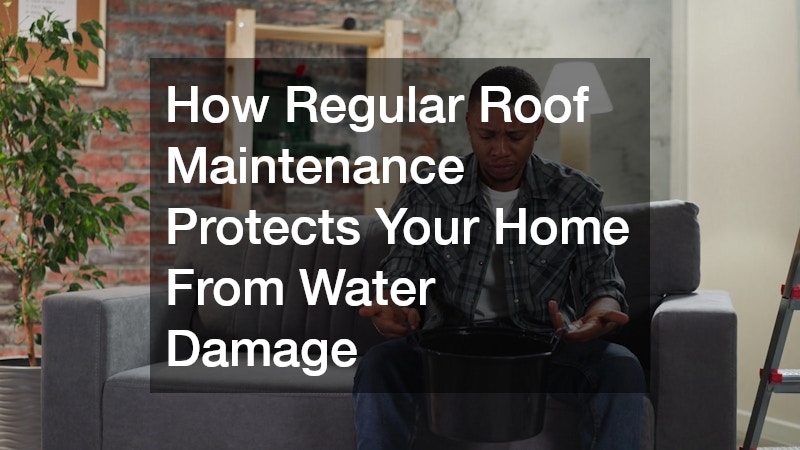
When roof damage occurs, acting quickly is essential. Even a small leak can lead to significant issues if left untreated, including water damage, mold growth, and weakened structural components.
Restoration services can help address damage caused by storms, fallen debris, or aging materials. These professionals are equipped to assess the extent of the problem and provide solutions that restore your roof’s functionality.
Common signs of damage include missing shingles, sagging areas, and water stains inside your home. If you notice any of these issues, it’s important to take action immediately rather than waiting for the problem to worsen.
Quick response times not only minimize repair costs but also reduce the risk of further damage. By addressing issues early, you can maintain the integrity of your roof and avoid more extensive repairs down the line.
Choose Durable Materials That Fit Your Needs
Selecting the right materials is a key factor in long-term roof performance. Different materials offer varying levels of durability, maintenance requirements, and visual appeal. Beyond appearance, the material you choose directly impacts how well your roof withstands weather, resists damage, and maintains its structure over time. For example, some materials are better suited for high-wind areas, while others perform well in regions with heavy rainfall or intense sun exposure.
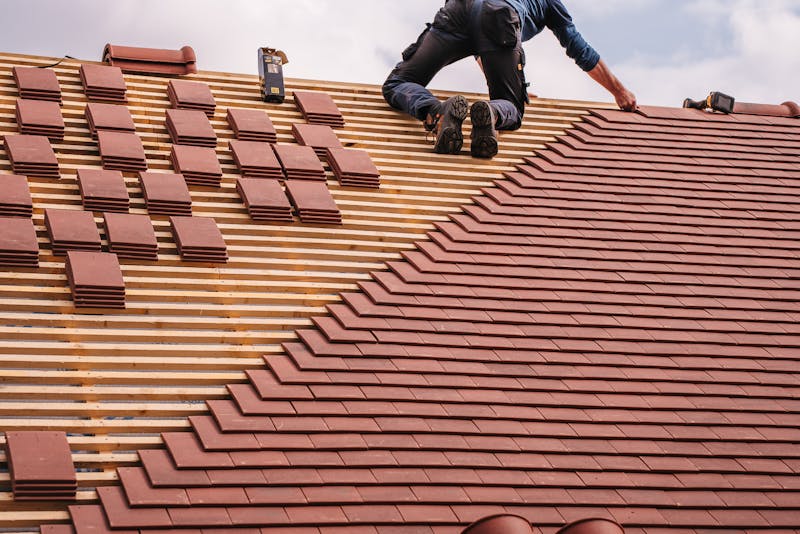
Tile roofing is known for its longevity and resistance to harsh weather conditions. While it may have a higher upfront cost, it can last significantly longer than other materials, making it a worthwhile investment for many homeowners. In addition to durability, it offers excellent insulation properties, helping regulate indoor temperatures and potentially lowering energy costs. Its classic look also enhances curb appeal, especially for homes with Mediterranean or Spanish-style architecture.
When choosing materials, consider factors such as climate, budget, and the architectural style of your home. Some materials perform better in certain environments, while others may require more frequent maintenance. It’s also helpful to think about weight—heavier materials like tile may require additional structural support.
It’s also important to think about long-term costs. While cheaper materials may save money initially, they may need to be replaced sooner. Investing in high-quality materials can reduce maintenance and provide better protection over time, ultimately offering greater value and peace of mind.
Hire Skilled Professionals for Reliable Results

Working with experienced roofers can make a significant difference in the quality and longevity of your roof. Professional expertise ensures that installations, repairs, and inspections are performed correctly. This level of precision is especially important because even small mistakes—like improperly sealed flashing or uneven shingle placement—can lead to leaks and long-term damage. Experienced professionals understand how to handle different materials, roof pitches, and environmental factors, ensuring your roof is built or repaired to last.
When choosing a contractor, look for proper licensing, insurance, and a strong track record of customer satisfaction. Reading reviews and asking for references can help you find a reliable professional. It’s also helpful to ask about warranties on both materials and labor, as this shows confidence in their work. A reputable contractor will be transparent about timelines, costs, and the scope of the project, helping you avoid surprises along the way.
Avoid choosing a contractor based solely on price. While it’s important to stay within budget, extremely low estimates can be a red flag for poor workmanship or subpar materials. In many cases, cutting corners upfront leads to higher repair costs later.
Skilled roofers bring valuable knowledge and experience to your project, helping you avoid common mistakes and ensuring that your roof performs as expected. Investing in quality work upfront can save you time and money in the long run while giving you greater peace of mind.
Improve Ventilation and Insulation for Better Performance
A well-functioning roof relies on proper ventilation and insulation. Without adequate airflow, heat and moisture can build up, leading to issues such as mold growth and premature material deterioration.
Residential roofing systems benefit from balanced ventilation that allows air to circulate freely. This helps regulate temperature and prevents excess moisture from accumulating in the attic.
Insulation also plays a critical role in maintaining a stable indoor environment. Proper insulation reduces energy loss and protects your roof from temperature extremes.
Signs of poor ventilation include unusually high energy bills, ice dams in winter, and a hot attic during summer months. Addressing these issues can improve both your roof’s performance and your home’s overall efficiency.
Plan Ahead for Maintenance and Unexpected Costs
Roof care isn’t just about immediate repairs—it’s also about planning for the future. Setting aside a budget for ongoing roof maintenance and potential repairs can help you avoid financial strain.
A professional roofing service can provide estimates for routine upkeep and long-term needs. Regular inspections and minor repairs are typically more affordable than major replacements, making preventive care a smart investment.
Creating a maintenance schedule ensures that your roof receives consistent attention. This includes inspections, cleaning, and addressing minor issues as they arise.
By planning ahead, you can spread out costs and avoid unexpected expenses. A well-maintained roof not only protects your home but also provides peace of mind.
Prepare Your Roof for Seasonal and Severe Weather
Weather can have a significant impact on your roof, making preparation essential. Taking steps to protect your roof before extreme conditions can prevent damage and extend its lifespan.
A roofing contractor can help identify vulnerable areas and recommend reinforcements. This may include securing loose materials, improving drainage, or adding protective features.
Before storm seasons, inspect your roof for any existing damage and address it promptly. Trim nearby trees to reduce the risk of falling branches, and ensure that gutters are clear.
Being proactive about weather preparedness helps minimize the risk of sudden damage. With the right precautions, you can protect your roof and keep your home safe throughout the year.
Protecting Your Home With Smart Roofing Habits

Caring for your roof doesn’t have to be overwhelming. By staying consistent with inspections, addressing issues early, and working with trusted professionals, you can keep your roof in excellent condition for years to come.
Every step you take—no matter how small—contributes to the overall health of your home. With the right approach, your roof will continue to provide reliable protection, comfort, and value well into the future.