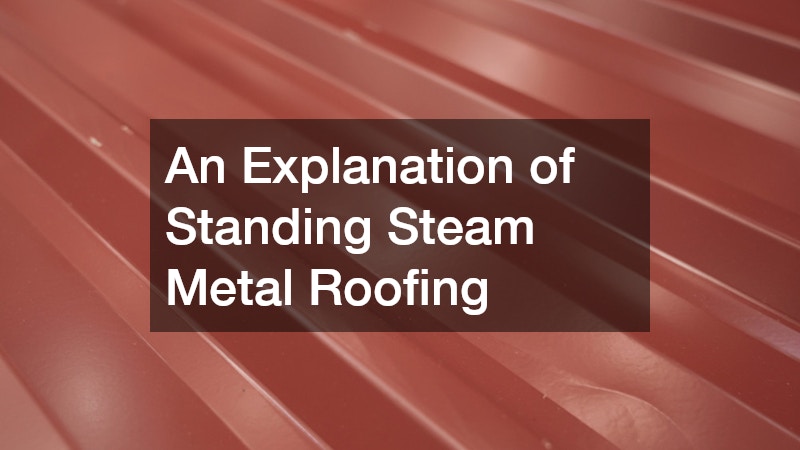
Standing seam metal roofing is rapidly gaining traction in the construction and architectural sectors due to its durable, weather-resistant capabilities, and sleek aesthetic appeal. Its unique design features raised interlocking seams that provide superior protection against the elements, making it an increasingly popular choice for both residential and commercial properties. This introduction aims to provide a concise overview of standing seam metal roofing, highlighting the reasons behind its growing popularity and the numerous benefits it offers to homeowners and builders alike.
What Is Standing Seam Metal Roofing?
Definition and Components
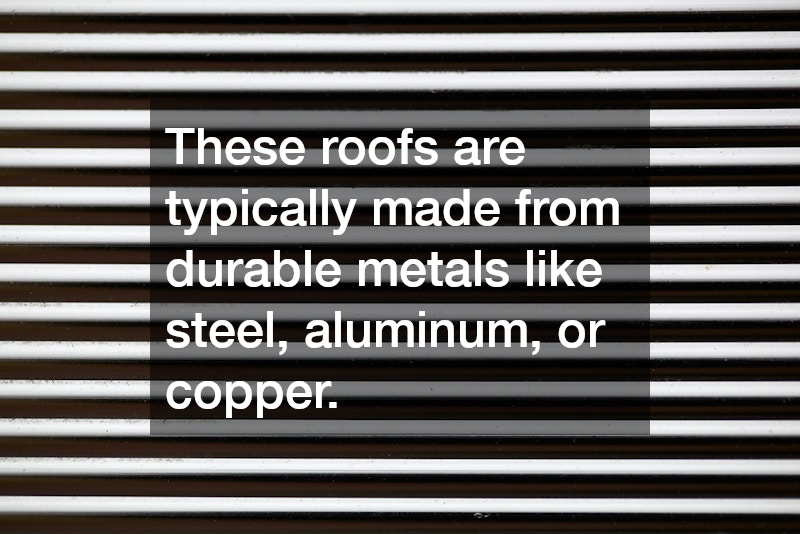
Standing seam metal roofing is characterized by elevated seams or vertical legs with a flat space between them, offering sleek aesthetics and exceptional performance features. Key components include metal panels, clips, and fasteners. These roofs are typically made from durable metals like steel, aluminum, or copper.
History and Evolution
Metal roofing has been used for centuries, evolving significantly with technological advances. Today, it’s known for historical charm and modern innovation. Its durability and energy efficiency make it a preferred choice in various climates.
Types of Standing Seams
Various types include mechanical seams, snap-lock seams, and batten panel seams, each serving specific stylistic and functional purposes.
Materials Used
Common materials include steel, aluminum, copper, and zinc, each offering unique benefits such as strength, corrosion resistance, and aesthetic appeal. These materials are also chosen for their ability to be recycled, promoting environmental sustainability.
Common Applications
It’s used in both residential and commercial buildings for its flexibility and strength, often seen in schools, hospitals, and sustainable designs. Its reflective properties can also help in reducing cooling costs, making it an economically sound option for large buildings.
Benefits of Standing Seam Metal Roofing
Durability and Longevity
Known for its durability, a well-maintained standing seam metal roof can last over 50 years, reducing lifecycle costs compared to other roofing materials.
Energy Efficiency
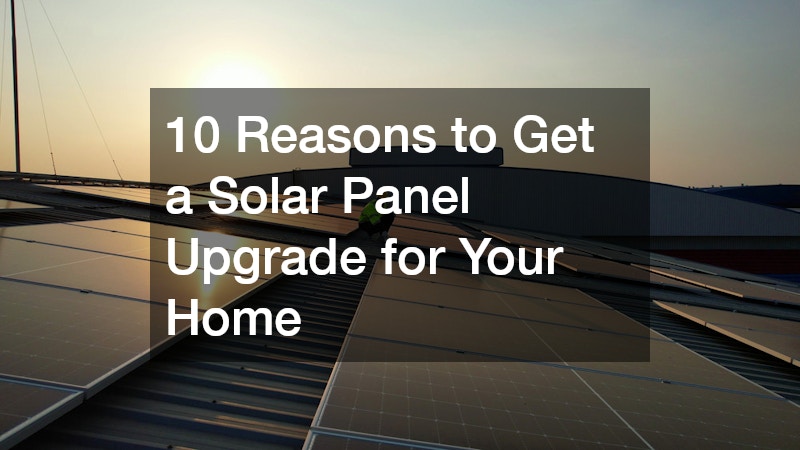
Metal roofs reduce heating and cooling costs due to their reflective properties, and are compatible with solar panels. Additionally, they are long-lasting, which minimizes the need for replacements, consequently reducing material consumption over time. Their ability to withstand extreme weather conditions makes them an ideal choice for sustainable building practices.
Environmental Impact
The recyclability of metal materials reduces landfill waste, aligning with eco-friendly building practices. When compared to traditional roofing materials, metal roofs often incorporate a higher percentage of recycled content, contributing further to resource conservation. As such, they play a significant role in reducing the carbon footprint of a building.
Weather Resistance
The interlocking seam design enhances wind resistance and prevents water damage, making it suitable for extreme weather conditions.
Aesthetics and Customization
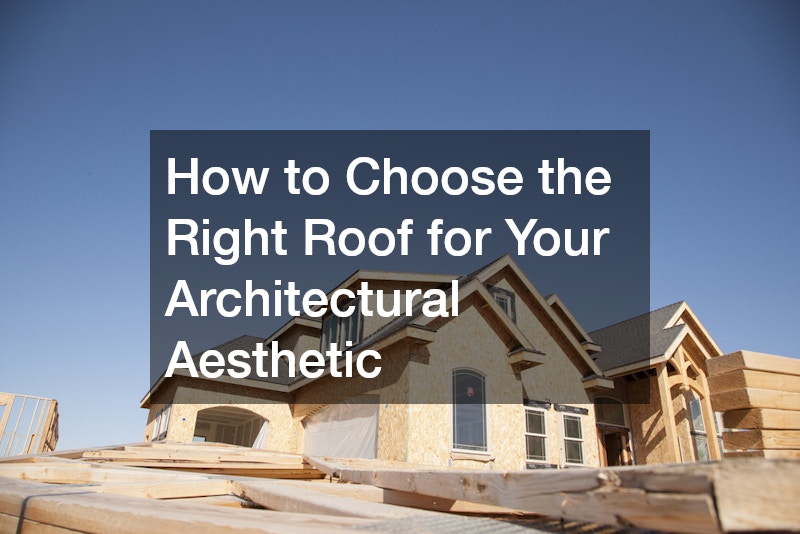
Offering a variety of colors, finishes, and profiles, standing seam metal roofing can complement almost any architectural style.
How to Install Standing Seam Metal Roofing
Preparation and Safety Measures
Proper preparation, including inspections and safety measures, is crucial for a successful installation process.
Step-by-Step Installation Process
The installation involves measuring, preparing, and aligning panels, with precision required to ensure durability and waterproofing.
Common Challenges
Challenges include panel alignment and secure fastening, with environmental conditions potentially affecting installation.
Professional Installation vs. DIY
Professional services ensure correct installation, while DIY requires careful consideration of complexity and costs.
Post-Installation Inspection and Maintenance
Post-installation inspections and regular maintenance are vital to preserving the roof’s durability and performance.
Cost Considerations for Standing Seam Metal Roofing
Initial Investment
Initial costs reflect quality and durability, with long-term benefits often outweighing higher upfront expenses.
Long-Term Savings
Durability and efficiency lead to significant savings over time, avoiding frequent replacements and maintenance.
Factors Affecting Cost
Costs vary based on materials, roof complexity, and geographic location, requiring careful budget planning.
Financing Options
Financing options, including loans and rebates, can help manage the upfront costs associated with metal roofing.
Comparing Costs with Other Roofing Options
Comparing long-term benefits with other roofing options ensures a comprehensive understanding of cost-effectiveness.
Maintenance and Care for Standing Seam Metal Roofing
Routine Inspections
Regular inspections help identify concerns early, prolonging the roof’s life.
Cleaning and Debris Removal
Regular cleaning prevents damage and maintains appearance, especially after seasonal changes.
Repairing Damages
Promptly addressing damages prevents further issues, ensuring compatibility with existing roofing materials.
Preventative Measures
Preventative measures, such as applying protective coatings and ensuring proper ventilation, sustain roofing quality.
Working with Professionals for Maintenance
Professionals offer expertise for complex maintenance needs, complementing basic DIY efforts.
Standing seam metal roofing offers a compelling choice for those seeking a durable, efficient, and low-maintenance roofing solution that not only boasts modern appeal but also champions sustainability.