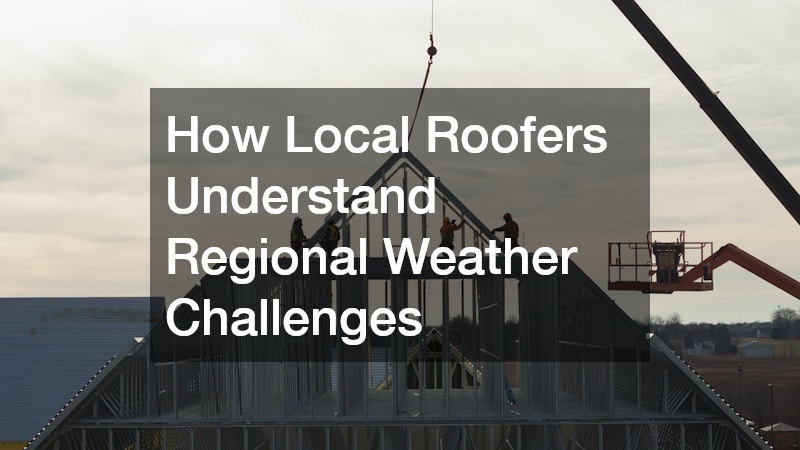
Roofers who work within their communities often have specialized insights into the local weather patterns that affect roofing materials and construction methods. This article explores these specialized skills and how they impact residential and commercial roofing projects across varying climates. The challenges they face are unique and require customized solutions that only local expertise can provide.
1. What are common weather challenges faced by roofers in different regions?
Local roofers encounter various weather-related challenges depending on the region they serve. In coastal areas, roofers often deal with salt-laden air, which can accelerate the corrosion of roofing materials.
Inland regions might face challenges such as heavy snow loads that require roofs built to withstand substantial weight. Desert areas, on the other hand, must focus on insulating against extreme heat and providing proper ventilation. Each region presents its own unique set of demands that require tailored solutions.
Wind is a significant challenge that affects roofers across multiple regions, but its impact can vary greatly. In hurricane-prone zones, roofers must ensure that roofing structures can withstand high-velocity winds and potential debris impact. In contrast, regions with frequent tornadoes necessitate the use of special materials and building techniques meant to withstand swirling winds. Even in regions with milder climates, wind can still cause damage through repeated stress on roof structures. To address this, roofers must choose materials and construction techniques that offer resilience.
Apart from wind and extremes of temperature, precipitation is another major factor influencing roofing challenges. Areas with heavy rainfall demand superior water-proofing techniques to prevent leaks and water damage. In snow-prone regions, roofers must consider not only the weight of the snow but also the potential for ice dams forming at the eaves. The freeze-thaw cycle common in northern climates can also wreak havoc on roofing materials, leading to cracking or other failures. Hence, local roofers must be adept at addressing these myriad challenges to provide durable, long-lasting roofing solutions.
2. How do local roofers tailor solutions to regional weather?
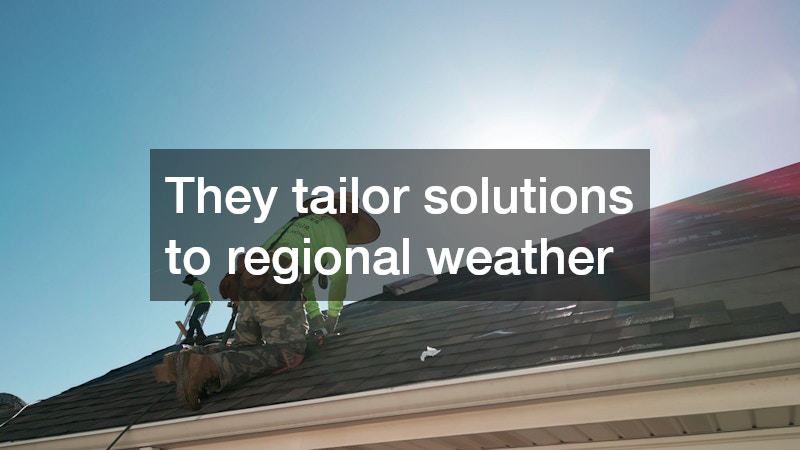
Local roofers develop tailored solutions by selecting materials and designs that perform well under specific regional weather conditions. In regions with intense sunlight, for instance, roofers may advocate for reflective roofing materials that deflect heat and maintain cooler interior temperatures. They may also employ coatings designed to prevent thermal expansion and contraction, which is a critical factor in areas with wide temperature fluctuations. In addition, roofers familiarize themselves with local building codes, ensuring that their solutions meet regulatory standards while providing optimal protection. This localized knowledge enables roofers to design roofs that are both compliant and optimized for the environment.
Customization also extends to the fine details of roofing installations that address specific weather challenges. For example, in areas with frequent hail storms, roofers might suggest impact-resistant shingles that are engineered to resist hail damage. Additional reinforcements and weather barriers might also be used to protect the structure during severe weather events. Local roofers often collaborate with manufacturers to source materials that offer enhanced durability with specific weather-related features. These customized solutions not only protect buildings but can also lead to lower insurance premiums for homeowners due to the reduced likelihood of damage.
Another aspect of tailoring solutions involves routine maintenance and inspection, which are crucial in prolonging the lifespan of a roof. Seasonal inspections are particularly important in regions with wet or extreme weather, helping to identify problems before they escalate into major issues. Local roofers provide expert advice on maintenance routines, such as cleaning gutters and removing debris that might cause water to pool on the roof. By establishing a maintenance plan tailored to local conditions, roofers help homeowners and businesses avoid costly repairs and maintain the integrity of their roofing systems.
3. What are the factors influencing local roofers’ approach to weather challenges?
Several factors guide local roofers in their approach to addressing weather challenges, starting with the microclimate characteristics of the area. Understanding these localized weather patterns allows roofers to select appropriate materials and construction techniques. For instance, certain shingles or tiles may perform better with the temperature variations commonly found in temperate climates. Moreover, local geographical features, such as proximity to mountains or water bodies, can influence the frequency and intensity of weather events, thereby impacting roofing strategies. Being attuned to these local nuances plays a critical role in a roofer’s decision-making process.
Moreover, economic factors, such as budget constraints, also affect a roofer’s approach. Local roofers often work with homeowners to balance cost considerations against the need for high-quality, durable roofing solutions. They provide detailed consultations to help clients understand the benefits of investing in premium materials that are designed to withstand local weather conditions. This advice often extends to energy efficiency, offering clients solutions that enhance insulation and reduce heating or cooling costs. The expert guidance from local roofers ensures that clients receive value for money while still safeguarding their homes against extreme weather.
Another influential factor is the technological advancements available to roofing professionals. Local roofers keep abreast of new developments in materials and construction techniques that enhance weather resistance. For example, the introduction of solar-reflective shingles has been a game-changer in regions where heat is a significant challenge. Similarly, advancements in synthetic underlayments and sealants provide additional barriers against moisture intrusion. Staying updated on these innovations allows local roofers to bring the latest, most effective solutions to their clients, enhancing the overall durability and performance of the roofs they install.
4. How do local roofers predict and prepare for extreme weather events?
Preparation for extreme weather events is paramount in regions prone to such occurrences, and local roofers play a pivotal role. They often start by studying historical weather data, which helps forecast potential challenges and determine the best protective measures. Engaging with meteorologists and local authorities also provides insights into expected weather patterns, which guides decision-making. By understanding the likelihood and impact of events like hurricanes or blizzards, roofers can make informed recommendations about materials and construction techniques. Proactive preparation minimizes the risk of damage, ensuring safety and reliability.
Local roofers also employ cutting-edge technology to anticipate and prepare for extreme weather. Satellite imagery and weather simulation models can forecast potential weather events, offering roofers valuable foresight. These technologies enable roofers to plan precise interventions, whether adding extra reinforcements or selecting special materials in anticipation of a rough season. Furthermore, some roofers have begun to leverage drone technology for inspection and assessment purposes, allowing for comprehensive surveys of large areas before committing to any significant roofing task. The integration of technology with traditional expertise results in a more robust preparation for extreme weather.
Community engagement is another significant aspect of preparing for extreme weather. Local roofers often work closely with homeowners, providing education on the importance of regular maintenance and early warning signs of potential issues. They might host community workshops to raise awareness about how roofs can be fortified against expected weather extremes. By involving the community and building awareness, roofers foster a proactive approach to managing extreme weather risks. This collaboration helps to protect properties effectively while enhancing the community’s resilience against severe weather events.
5. What are the best practices for homeowners working with local roofers?
Homeowners should adopt several best practices when working with local roofers to ensure optimal results. First, conducting adequate research to find a roofer with a strong reputation and relevant experience in handling local weather challenges is crucial. Reading customer reviews and seeking personal recommendations can provide valuable insights into a roofer’s reliability. Communication is also key; homeowners should discuss their specific concerns and expectations clearly with their roofer to ensure alignment. By establishing a mutual understanding, the collaboration is more likely to yield a durable and satisfactory roofing project.
It is also essential for homeowners to participate actively in the decision-making process. Engaging in discussions about available materials and techniques helps homeowners to understand the options best suited for their local climate. With informed choices, they not only contribute to the longevity of their roofs but also potentially reduce maintenance costs over time. Regular consultation with their roofer after project completion is advisable to address any issues promptly. This ongoing relationship between homeowner and roofer is advantageous for maintaining roof health and promptly addressing any emerging concerns.
Finally, homeowners should prioritize routine inspections and maintenance, guided by their roofer’s recommendations. This proactive approach minimizes the likelihood of unforeseen issues by identifying problems early and addressing them before they escalate. Scheduling periodic services, especially after known harsh weather events, ensures that the roof remains in optimal condition throughout the year. By adhering to these practices, homeowners can significantly extend the life of their roof and maximize its weather resistance. Ultimately, working closely with local roofers and staying engaged represents the best strategy for maintaining a secure and efficient home.
By leveraging their expert knowledge of local climates, local roof repair services provide tailored roofing solutions that enhance durability and performance. Employing customized materials and techniques, local roofers not only safeguard properties but also offer valuable advice to homeowners on best practices. Thanks to their expertise and community interaction, they contribute to the resilience of entire neighborhoods in facing adverse weather conditions. As the weather continues to evolve, the importance of local roofers will remain a cornerstone of effective property protection.