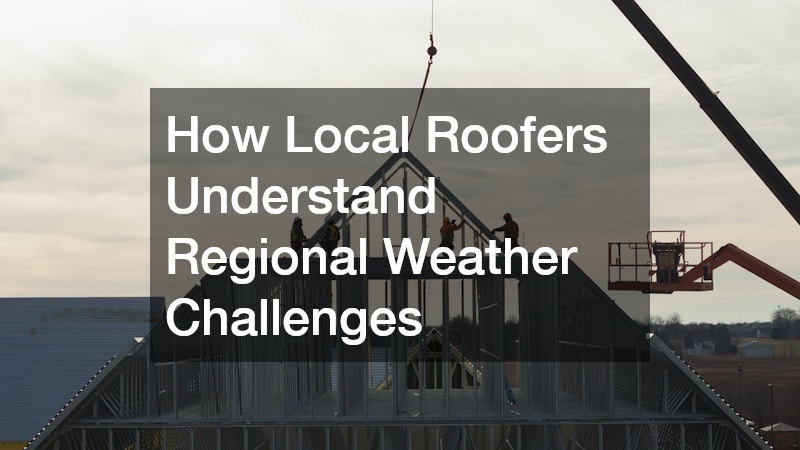
A roofing project can be a major undertaking, but careful planning makes the process much smoother. A roof protects your home, improves energy efficiency, and adds long-term value, so approaching the project strategically is essential. Many homeowners underestimate the complexity involved, assuming it’s just about replacing shingles or fixing leaks. In reality, a roofing project often touches multiple areas of the home, from exterior walls to outdoor structures, and sometimes even interior spaces. Understanding the scope of work upfront can prevent unexpected costs and delays.
Preparation starts with assessing your home’s current condition and anticipating potential challenges. Hidden water damage, structural issues, and weather-related wear can complicate a project if not identified early. Coordinating with multiple contractors, managing schedules, and planning materials are critical to keeping the project on track. Homeowners who organize these elements in advance reduce stress, save money, and ensure the work is completed efficiently.
This guide provides a step-by-step approach to managing roofing projects, particularly those that involve several professional teams. From evaluating your home and choosing the right contractors to budgeting, site preparation, and final inspections, each section offers actionable advice. By following this roadmap, homeowners can navigate their roofing projects confidently, maintain safety, and achieve results that enhance both the functionality and appearance of their home.
Assessing Your Home’s Needs Before Starting

Before any work begins, it’s critical to conduct a thorough assessment of your roof and surrounding areas. Visual inspections can help identify damage that might not be apparent from the ground, while checking interior spaces like attics can reveal leaks or water damage. Evaluating the condition of your exterior siding is also important, as roof repairs or replacements often require adjustments or upgrades to siding. Taking these steps early prevents surprises and ensures that all necessary work is included in your plan.
Key aspects to evaluate include:
- Shingles, flashing, and underlayment for signs of wear, curling, or cracking
- Water stains or mold in the attic indicate potential leaks
- Gutters and drainage systems for clogs or improper slope
- Exterior siding for damage or rot that may impact roofing installation
Engaging a roofing company at this stage is highly beneficial. Their professional assessment can uncover structural issues or potential weak spots that may require attention before the new roof is installed. Similarly, consulting a siding contractor ensures that any exterior work can be coordinated, saving time and reducing costs. Preparing a checklist and documenting issues with photographs can make discussions with contractors more effective and keep everyone on the same page.
By taking the time to thoroughly assess your home’s needs, you lay the foundation for a smooth project. Proper evaluation minimizes the risk of unexpected expenses, ensures all repairs are addressed, and sets realistic expectations for the timeline and budget. Coordinating with both roofing and siding professionals early in the process helps streamline the project and enhances long-term results.
Choosing the Right Team for Your Project
Selecting experienced professionals is one of the most important steps in any roofing project. Beyond cost considerations, factors like experience, reputation, and communication skills determine the success of the project. Remodeling contractors can provide expertise across multiple areas, while local remodelers are valuable for their familiarity with regional building codes and trusted subcontractors.
To choose the right team, consider these strategies:
- Verify licenses and insurance for all contractors to ensure liability protection
- Review portfolios and examples of similar past projects
- Ask for references and read client reviews to gauge reliability and quality
- Confirm the ability to coordinate with other trades effectively
Working with local remodelers provides additional advantages. Their understanding of regional weather conditions, material suppliers, and permit requirements can prevent delays. Remodeling contractors often manage multiple subcontractors, ensuring that scheduling conflicts between roofing, siding, and other services are minimized. Clear communication is crucial: establishing expectations, timelines, and responsibilities upfront can avoid confusion during the project.
Scheduling interviews or site visits before hiring ensures that the team aligns with your project goals. Ask how they handle unforeseen challenges, including damage discovered during demolition or delays in material delivery. By carefully vetting and selecting remodeling contractors and local remodelers, you create a collaborative environment that promotes efficiency, safety, and high-quality results throughout the roofing project.
Planning for Materials and Budgeting
Budgeting is essential for any major home improvement project, and roofing is no exception. Accurately estimating material needs, labor costs, and additional expenses like waste management is key to preventing overspending. Consulting with a roofing company helps homeowners determine the right quantity and type of materials, from shingles to underlayment, while coordinating a dumpster rental service ensures debris is managed safely and efficiently.
Practical steps for budgeting include:
- Measuring roof square footage to calculate material quantities accurately
- Comparing types of shingles, underlayments, and flashing for durability and cost-effectiveness
- Planning for waste disposal by scheduling a dumpster rental service appropriate for the project size
- Allocating a contingency fund, typically 10–15% of the budget, for unexpected issues
Proper timing for deliveries is also critical. Scheduling materials to arrive just before they’re needed reduces storage challenges and protects them from weather damage. Coordinating the dumpster rental service ensures that waste is removed promptly, preventing hazards and keeping the worksite organized. Additionally, discussing budget considerations with your roofing company allows for more informed decisions about material upgrades, labor options, or additional services.
By thoroughly planning materials and budget, homeowners can ensure that the project proceeds smoothly without unnecessary delays or financial strain. Combining careful preparation with the expertise of roofing professionals and efficient waste management strategies provides the foundation for a successful roofing project that meets both expectations and budget constraints.
Site Preparation and Safety Measures
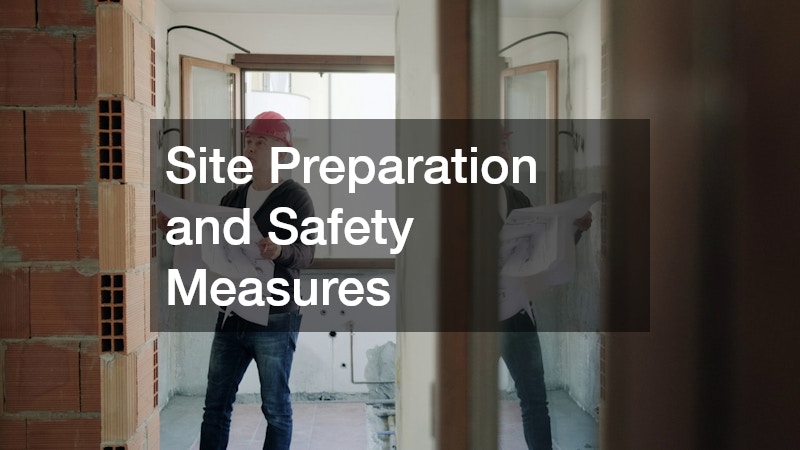
Preparing the site before any roofing work begins is crucial for efficiency and safety. Protecting existing structures such as sheds and decks is a priority, as debris or accidental damage can result in costly repairs. Planning for outdoor space management ensures contractors can work safely and efficiently.
Homeowners should consider:
- Clearing pathways and securing pets or children from the construction area
- Protecting sheds, decks, and landscaping with tarps or temporary barriers
- Organizing tools, ladders, and materials to prevent clutter
- Reviewing safety protocols with all workers to prevent accidents
Deck installation areas near the home may require temporary coverage or reinforcement to avoid damage during the project. Shed builders can assist in ensuring storage structures are safe from debris or roof material runoff. Safety is not just about property protection—it also involves worker protection. Establishing clear communication, enforcing helmet and harness use, and creating a safe perimeter reduces the risk of accidents.
Additionally, coordinating with the roofing team and other contractors ensures that everyone knows their responsibilities and schedules, reducing the chance of miscommunication. Planning for potential hazards such as loose shingles, falling tools, or heavy materials is critical for preventing injuries and maintaining project efficiency. By taking the time to prepare the site and prioritize safety, homeowners contribute to a smoother, more organized, and successful roofing project.
Roof Inspection and Repair Steps
A detailed inspection before major roofing work is crucial. Roof issues can range from minor leaks to structural weaknesses that require attention before installation. Roofing companies often coordinate with masonry businesses if structural repairs or chimneys are involved.
Inspection steps include:
- Checking for missing or damaged shingles.
- Inspecting flashing and ventilation systems.
- Identifying areas with water damage or mold.
- Reviewing gutters and drainage to ensure proper flow.
Repair tips:
- Address small leaks early to prevent costly future damage.
- Consult masonry businesses for issues with chimneys or structural walls.
- Replace underlayment in areas showing wear or moisture.
- Ensure all repairs are completed before the new roofing installation begins.
By combining professional inspection with targeted repairs, homeowners can extend the life of their roof and prevent future complications. Coordinating roofing companies and masonry businesses ensures that both structural integrity and aesthetics are preserved.
Installing or Replacing Siding and Exterior Features
Roofing projects often coincide with exterior improvements. Siding contractors and remodeling services can coordinate to replace or upgrade exterior walls, ensuring a cohesive appearance and improved home efficiency.
Key considerations:
- Inspect siding for damage or rot before roofing begins.
- Align siding replacement with the roofing schedule to minimize delays.
- Choose materials that complement roofing aesthetics and performance.
- Utilize remodeling services for exterior trim, fascia, and soffit enhancements.
Practical tips:
- Schedule siding installation immediately before or after roofing to protect materials from the weather.
- Coordinate with contractors to ensure proper insulation and water protection.
- Consider energy-efficient options to improve long-term savings.
Proper coordination with siding contractors and remodeling services ensures that the exterior looks unified and protects the home from weather damage. Planning these upgrades alongside roofing work can save time and reduce costs.
Deck and Outdoor Area Considerations

When roofing projects affect outdoor spaces, deck installation and shed builders must be included in the planning. Protecting decks, sheds, and patios prevents damage from falling debris or heavy materials.
Tips for maintaining outdoor spaces:
- Cover decks with protective sheeting or plywood.
- Temporarily move or secure outdoor furniture and equipment.
- Coordinate the roofing schedule with the shed builders to avoid structural interference.
- Ensure proper drainage from the new roof onto outdoor areas.
Homeowners should also consider enhancing outdoor spaces during roofing projects. Coordinating deck installation with roofing upgrades can create a seamless, polished look while preventing post-construction damage. Proper planning protects investments in both outdoor and structural elements of the property.
Managing Waste and Debris Efficiently
Efficient debris management is essential to maintain a safe, organized worksite. Dumpster rental service helps remove old roofing materials, packaging, and other construction waste quickly and safely. Remodeling contractors often coordinate these efforts to ensure smooth workflow.
Practical steps:
- Determine dumpster size based on project scope.
- Schedule pickups to prevent overflow and clutter.
- Separate recyclable materials to reduce environmental impact.
- Keep pathways clear to avoid accidents.
By integrating dumpster rental service into the project plan, homeowners can minimize hazards and streamline the construction process. Effective debris management ensures that remodeling contractors can focus on the work rather than cleanup, reducing downtime and improving efficiency.
Coordinating Large-Scale Projects
For extensive roofing projects or commercial renovations, coordination becomes increasingly important. Roofing companies and commercial renovation services must collaborate closely to manage schedules, subcontractors, and materials.
Strategies include:
- Establishing a centralized project schedule with clear milestones.
- Communicating regularly with all subcontractors to prevent conflicts.
- Ensuring compliance with safety and building regulations.
- Monitoring progress through check-ins and inspections.
Large-scale projects often involve multiple trades simultaneously. Effective coordination between roofing companies and commercial renovation services ensures that timelines are met, quality standards are maintained, and the project stays within budget.
Final Inspections and Project Wrap-Up

Once roofing and associated projects are complete, a thorough inspection is crucial. Local remodelers can assist in verifying that remodeling services meet expectations and that all exterior and interior work is completed properly.
Final steps include:
- Conducting a detailed walkthrough of the roof, exterior, and deck areas.
- Reviewing warranties and maintenance requirements.
- Ensuring cleanup and debris removal are complete.
- Documenting the project for insurance or future renovations.
Final inspections guarantee that all work is completed safely, efficiently, and to the homeowner’s satisfaction. Collaborating with local remodelers ensures that both the roofing and related remodeling services achieve high-quality results.
Roofing projects require careful planning, coordination, and attention to detail. By taking the time to assess your home, select the right team, and plan materials and schedules effectively, homeowners can minimize stress and avoid costly mistakes. Collaboration between roofing professionals and other trades ensures that all aspects of the project, from exterior improvements to outdoor structures, are completed efficiently and safely.
Effective communication and scheduling are key components of a successful project. From coordinating debris management to managing multiple contractors, every step requires organization and foresight. Utilizing professionals who understand the nuances of roofing and remodeling work ensures that timelines are met and quality standards are upheld.
Finally, completing a project with proper inspections and documentation guarantees long-term durability and homeowner satisfaction. By following a structured, step-by-step approach, roofing projects can be completed confidently, with results that enhance both the function and aesthetic appeal of the home. Proper planning, professional guidance, and strategic execution transform a potentially overwhelming project into a well-organized, successful renovation.