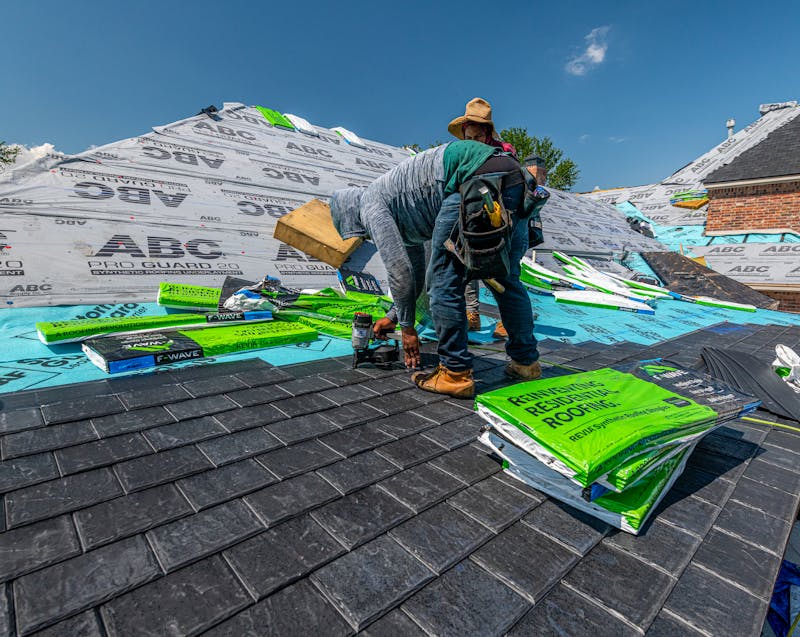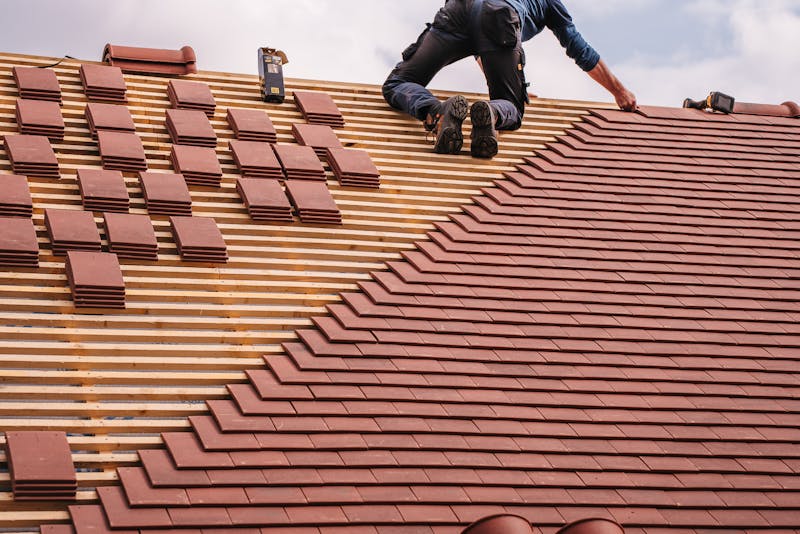
- Roof replacement costs typically range from $8,000 to $20,000, depending on home size, materials, and labor.
- Material choice plays the biggest role in pricing, with asphalt shingles being the most affordable and slate or tile being the most expensive.
- Factors like roof pitch, tear-off fees, structural repairs, and local labor rates significantly influence the final cost.
- Homeowners should watch for signs such as leaks, missing shingles, granule loss, or sagging, which indicate the need for replacement.
- Additional hidden expenses—like decking repairs, ventilation upgrades, and permit fees—can increase the total project cost.
- Comparing multiple contractor quotes, choosing cost-effective materials, and scheduling during off-peak seasons can help reduce costs.
Replacing a roof is one of the largest home improvement projects any homeowner will ever face. It requires careful planning, a clear understanding of what drives the total cost, and realistic expectations about timelines and materials. Whether your roof is showing signs of age, leaking, or damaged by a storm, knowing the average cost of roof replacement can help you prepare financially and make informed decisions. This guide breaks down everything you need to know—from material prices to hidden fees—so you can feel confident about your next roofing investment.
Why Roof Replacement Costs Vary
Understanding why roofing costs differ from one home to another is essential before requesting estimates. Even houses with similar square footage may have very different replacement costs because of the materials used, roof pitch, labor rates, and underlying structural conditions. By knowing what affects the price, you gain better insight into what contractors include in a proposal and what you may need to budget for.
Roof replacement is not a one-size-fits-all project. Contractors must consider roofing access, removal of old materials, local permitting rules, geographic pricing differences, and safety requirements. These factors influence not only the final cost but also how long the project will take from start to finish. The more you understand these variables, the easier it becomes to compare quotes fairly. This section explores the most important cost drivers so you can see exactly why roofing expenses often vary widely.
How Much Does a Roof Replacement Cost?
Replacing a roof is a significant investment, and many homeowners want a clear benchmark before reaching out to contractors. In the United States, the average cost of roof replacement typically ranges between $8,000 and $20,000 for most standard housing types. However, high-end roofing systems such as tile, metal, or slate can surpass $40,000 depending on materials and structural complexity. Prices also differ by state, with labor markets and material availability playing a large role in total cost.
Knowing the national average is only the starting point. Each home has unique considerations that influence the final price. Roof size, pitch, the number of stories, and the need for additional repairs all determine where your cost will fall within the general range. When planning your project, it is a good idea to compare at least three professional quotes, as prices may differ by thousands of dollars. This section provides a deeper breakdown, helping you understand the elements behind these numbers.
Typical Cost Range by Home Size
- Small home (1,000–1,500 sq. ft.): $6,500–$12,000
- Medium home (1,600–2,000 sq. ft.): $8,500–$18,000
- Large home (2,100–3,000 sq. ft.): $14,000–$28,000
- Luxury or custom home: $25,000–$50,000+
Cost Per Square or Square Foot
- Asphalt shingles: $4–$8 per sq. ft.
- Metal roofing: $8–$15 per sq. ft.
- Tile roofing: $12–$20 per sq. ft.
- Slate: $20–$35 per sq. ft.
Average Cost of Roof Replacement by Material
Material selection is one of the biggest factors affecting the overall price of roof replacement. Homeowners often choose roof materials based on appearance, cost, lifespan, and maintenance requirements. Each material has different manufacturing and installation complexities, which is why pricing can vary dramatically. Before committing to a specific roofing type, it is helpful to understand how each option compares in terms of cost and durability.
While asphalt shingles remain the most popular choice due to their affordability, other materials offer longer lifespans and better resistance to extreme weather. Metal roofs, for example, have become increasingly popular for modern homes because of their durability and energy efficiency, though they come at a higher price. Tile and slate provide premium aesthetics and long-lasting performance but require strong roof structures to support their weight. The following breakdown helps homeowners compare the most common roofing materials in terms of cost and performance.
Asphalt Shingles
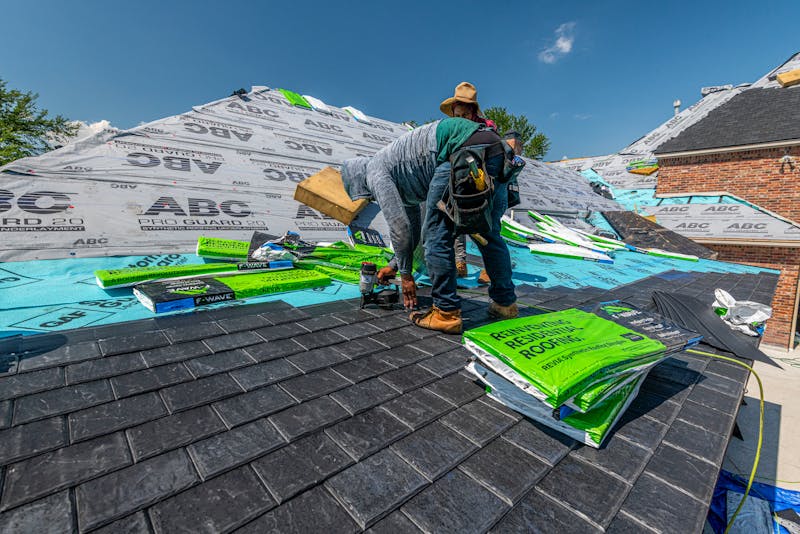
Asphalt shingles are the most affordable roofing material, with prices ranging from $4,000 to $10,000 for an average-sized home. They typically last 15 to 25 years and are available in basic three-tab designs or upgraded architectural styles. The installation process is straightforward, making them a cost-effective choice for many households.
Metal Roofing
Metal roofing costs between $14,000 and $30,000, depending on the type of metal and installation complexity. It can last 40–70 years and offers excellent fire resistance and energy efficiency. While the initial cost is higher, many homeowners value the long-term savings and durability.
Clay or Concrete Tile
Tile roofing often ranges from $20,000 to $40,000. These heavy materials provide exceptional lifespan, with many tile roofs lasting over 50 years. However, not all homes can support the weight, and structural reinforcement may be required.
Slate Roofing
Slate is one of the longest-lasting materials available and can easily surpass 75 years of service. Because it is heavy and difficult to install, costs range from $25,000 to $60,000 or more. This material is typically chosen for architectural or luxury homes.
What Factors Influence the Total Roof Replacement Cost?
Even after choosing a roofing material, several additional factors impact the final price. Understanding these details will help you anticipate potential add-ons and avoid surprises when reviewing quotes. Roofing contractors must evaluate the home’s structure, roof design, and local conditions before finalizing an estimate. Knowing what they consider will prepare you for more accurate budgeting.
Labor is often the largest cost component in roofing projects, sometimes accounting for 40–60 percent of the total price. Roof complexity, such as steep slopes or multiple valleys, increases installation time and safety requirements. Additional factors such as tear-off costs, disposal fees, permits, and repairs also influence the overall expense. This section examines these elements in detail so you can better understand how quotes are calculated.
Key Cost Factors
- Roof size and pitch
- Material selection
- Labor rates in your region
- Tear-off and disposal fees
- Structural repairs or replacement decking
- Installation of underlayment or ventilation systems
- Complexity of design (chimneys, skylights, dormers)
- Accessibility of the roof
- Local building codes and permits
Signs Your Roof Needs Replacement Soon
Homeowners often wait too long before replacing a roof, which can result in costly water damage and interior repairs. Recognizing the signs early can save money and extend the lifespan of your home’s structure. Roof wear and tear depends on weather, material quality, and maintenance frequency. Understanding common warning signals allows homeowners to schedule a replacement before the damage spreads.
Some signs are obvious, such as missing shingles or visible leaks, while others are subtle and require closer inspection. Granule loss, sagging areas, and daylight visible through attic boards indicate advanced deterioration. This section highlights the most common indicators, so you know when it is time to call a roofing professional.
Warning Signs to Watch For
- Missing, curling, or cracked shingles
- Consistent leaks or water stains on ceilings
- Shingle granules collecting in gutters
- Sagging roof decking or uneven roof lines
- Mold, algae, or moss growth
- Roof age exceeding expected lifespan
Hidden Costs Homeowners Should Prepare For
Roof replacement estimates often include the primary tasks, but homeowners should also consider potential hidden expenses. These costs vary depending on the home’s condition, the roof structure, and existing problems uncovered during installation. Preparing for these possibilities reduces financial stress and prevents delays mid-project.
Unexpected repairs, such as replacing rotten decking, damaged insulation, or outdated ventilation systems, can add thousands of dollars to the total bill. Disposal fees, permit requirements, and protective coverings also increase expenses. By knowing what could arise, you can create a more realistic budget. This section outlines the most common hidden costs so you can plan ahead.
Common Additional Costs
- Decking replacement: $1.50–$3 per sq. ft.
- Upgraded ventilation: $300–$1,000
- Protective coverings for landscaping: $100–$300
- Rotten wood repair: $200–$2,000
- Permit fees: $150–$500
How to Reduce the Average Cost of Roof Replacement
Roof replacement may be expensive, but homeowners can adopt several strategies to bring down the overall cost without compromising quality. Many of these methods focus on smart timing, negotiating effectively, choosing practical materials, and working with reputable but fairly priced contractors. With the right approach, you can reduce expenses by several thousand dollars.
Timing your project during the off-season, seeking multiple quotes, and selecting durable yet cost-effective materials can significantly lower the final bill. Additionally, understanding your warranty options and local rebates helps reduce the long-term expenses of maintenance. This section offers actionable tips to help homeowners save money while ensuring a safe and durable roof.
Money-Saving Tips
- Schedule replacements during slower construction seasons.
- Compare at least three detailed contractor quotes.
- Avoid unnecessary upgrades.
- Choose cost-effective but durable materials.
- Ask about discounts, warranties, and financing options.
Should You Repair Instead of Replace?
Homeowners often ask whether simple repairs can extend their roof’s lifespan. Repairs can be cost-effective in some cases, especially if only minor issues are present. However, if the roof has widespread damage, severe aging, or structural deterioration, replacement may be the more economical option over time. Making the right decision requires an honest assessment of the roof’s overall condition.
A contractor can evaluate whether repairs will hold up or whether replacement is the safer option. Temporary fixes may mask deeper issues, leading to more expensive repairs later. This section provides guidance on determining whether a repair is enough or whether full replacement is the better choice financially.
When Repairs Make Sense
- Localized damage
- Minor leaks
- Small sections of missing shingles
- Roof still within expected lifespan
When Replacement Is Better
- Widespread deterioration
- Multiple leaks over time
- Roof nearing the end of its lifespan
- Major storm damage
Choosing the Right Roofing Contractor
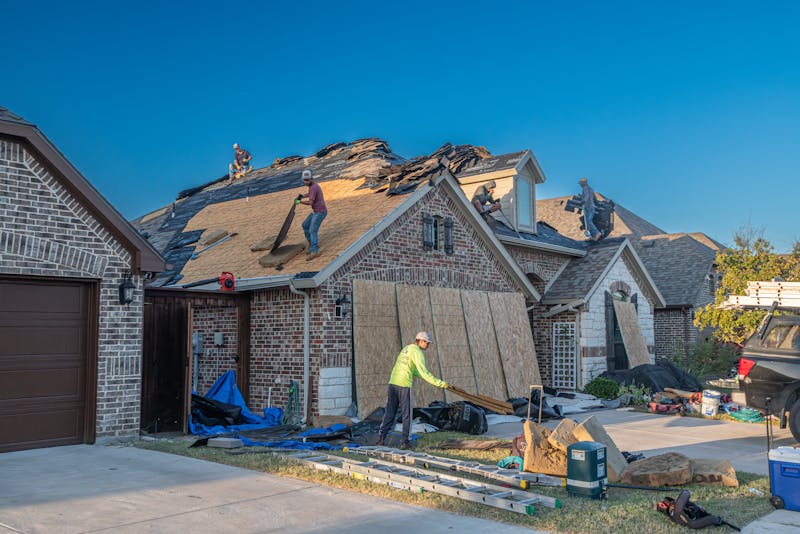
Selecting a reliable contractor is one of the most important steps in the roof replacement process. A reputable contractor ensures quality installation, transparent pricing, and proper warranties. Homeowners should carefully evaluate contractors based on credentials, reviews, experience, and written estimates. Choosing the right company can prevent costly mistakes and ensure long-term performance.
Contractors should be licensed, insured, and willing to provide references upon request. They should also conduct a thorough inspection before quoting a price. This section outlines important considerations that will help you hire the best professional for your roofing project.
Key Qualifications to Look For
- Valid license and insurance
- Transparent estimates
- Warranty information
- Positive customer reviews
- Experience with your chosen roofing material
Conclusion
The average cost of roof replacement varies widely based on your home’s size, materials, labor, and underlying structural needs. By understanding the factors that affect pricing and preparing for potential hidden costs, homeowners can make informed decisions that protect their investment. Whether you choose asphalt shingles or premium materials, the key is working with a qualified contractor who provides clear guidance and quality workmanship. Roof replacement is a significant project, but with the right planning, it can add long-lasting value and protection to your home.