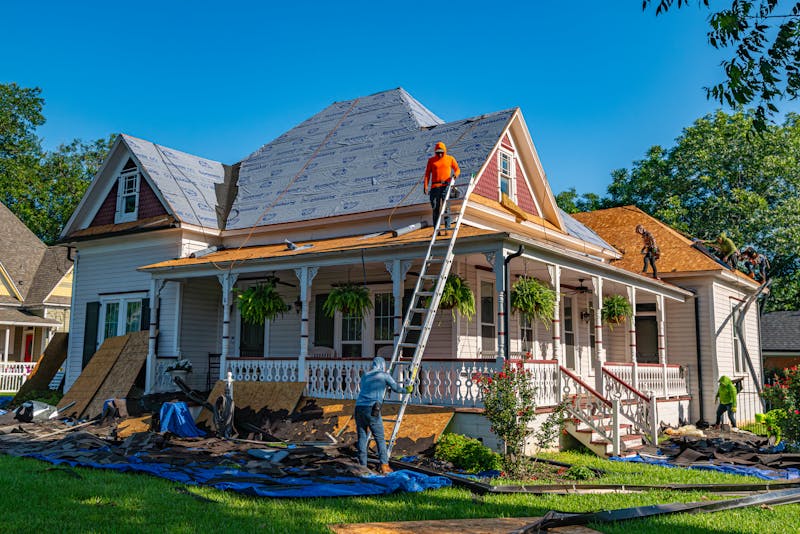
- Most residential roof replacements take 1–3 days, depending on home size, materials, and weather.
- Roofing materials like tile, slate, and metal take longer to install than standard asphalt shingles.
- Hidden issues such as wood rot or structural damage can extend the project timeline.
- Clear, dry weather is essential; rain or strong winds can delay the replacement.
- Roof complexity, accessibility, and contractor efficiency significantly influence how long the process takes.
Replacing a roof is a major home improvement project, and one of the first questions homeowners ask is how long the process will take. Whether you’re preparing for a planned upgrade or dealing with sudden storm damage, understanding the timeline helps you budget, schedule, and reduce stress. While many roofs can be replaced within a day or two, several key factors influence how long the job truly takes.
This guide breaks down the typical timeline, what affects it, and what homeowners should expect from start to finish.
What Is the Typical Roof Replacement Timeline?
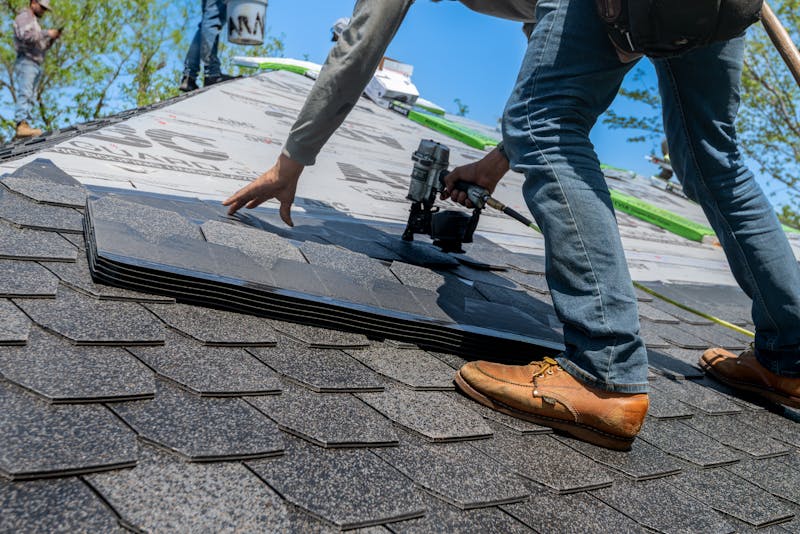
Most residential roof replacements take one to three days, but the timeline can stretch depending on the home’s size, roofing material, accessibility, and weather. Even though roofers aim to finish quickly, every project is unique. Before replacing your roof, it’s important to understand how each stage works so you can prepare your home, your schedule, and your budget. Knowing the process also helps you spot delays early and communicate better with your contractor.
Common Steps in a Roof Replacement
- Pre-inspection and measurement
- Removal of the old roofing
- Repairs on decking or structural areas
- Installation of new roofing materials
- Cleanup and final inspection
How Long Each Step Usually Takes
- Tear-off: 2–6 hours
- Repairs: 1–2 hours (more if structural issues are found)
- Installation: 4–12 hours, depending on roof size
- Cleanup and review: 1–2 hours
How Long Does Roof Replacement Take? Key Factors That Determine the Schedule
Several elements influence how quickly a roofing team can complete the job. Understanding these factors helps homeowners set realistic expectations and avoid surprise delays. While contractors try to stay on schedule, the project may speed up or slow down depending on external conditions and the home’s structure. Each factor plays a role in the final timeline, from the materials chosen to the weather forecast.
Size and Complexity of Your Roof
Larger homes naturally take longer to replace because they require more materials and labor. A small single-story home may be completed in one day, while multi-story homes with complex layouts can take two to three days. Roofs with dormers, valleys, skylights, or chimneys also need more detailed work.
Roofing Materials
Some roofing types take longer to install:
- Asphalt shingles: 1–2 days
- Metal roofing: 2–4 days
- Tile or slate: 5–7 days
Premium materials require more precision and time, which affects the total schedule.
Existing Damage
Unexpected issues under the old roof can extend the timeline. Wood rot, sagging decking, or water damage must be repaired before new materials are installed. These repairs may add hours or an additional day to the project.
Weather Conditions
Roofing requires clear and dry weather. Rain, strong winds, or extreme heat can force contractors to pause or reschedule. Homeowners should expect minor delays during rainy seasons.
Accessibility
If your home is surrounded by landscaping, fences, or limited driveway space, crews may need extra time to set up and remove materials. Good access speeds up tear-off and cleanup.
What Homeowners Should Expect During Roof Replacement
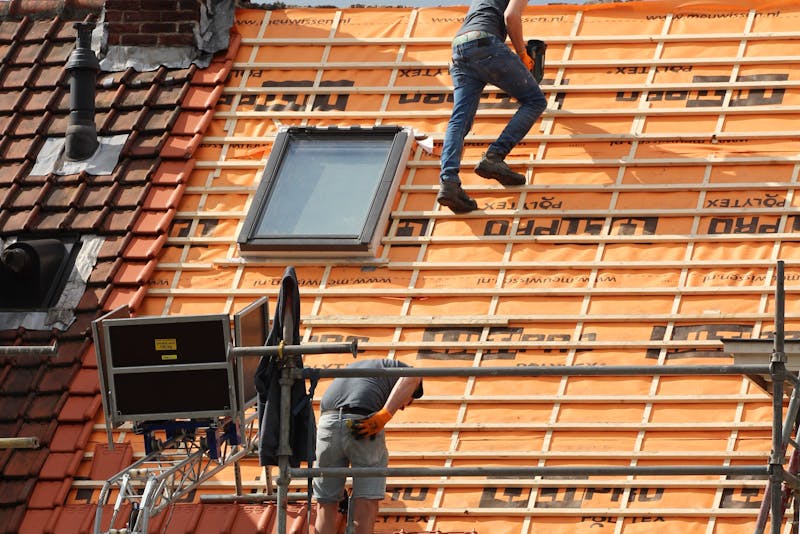
It’s normal for homeowners to feel uncertain about what happens during installation day. A roof replacement can be noisy, busy, and fast-paced. However, knowing what to expect can make the process more manageable. Preparing your home and communicating with your contractor helps ensure the project stays on schedule.
Prepare the Inside and Outside of Your Home
- Move patio furniture and fragile items
- Protect attic belongings from debris
- Keep pets and children indoors or away from the work area
Expect Some Noise and Dust
Roofing requires heavy equipment and tools. It’s best to plan errands, work outside the home, or inform family members who may be sensitive to noise.
Daily Work Schedule
Most roofing crews start early in the morning and end before sunset. If the job lasts multiple days, expect a similar schedule each day.
When Should You Worry About Delays?
Not all delays are avoidable, but some are preventable with the right contractor. If a project extends past the expected timeline, ask for updates. Good communication ensures the team stays accountable. Homeowners should also watch for red flags that may signal deeper problems.
Delays That Are Common
- Weather interruptions
- Unnoticed structural damage
- Rare material availability
Delays That May Indicate an Issue
- Crew not arriving on schedule
- Lack of communication
- Poor planning or inaccurate estimates
If these issues arise, discuss your concerns with the contractor immediately.
How Roof Replacement Time Impacts Budget
Time and cost often go hand in hand. Although the topic of the average cost of roof replacement often focuses on pricing factors, the timeline can also influence expenses. Longer projects may increase labor costs, particularly when structural repairs are needed. By understanding the expected duration of a roof replacement, homeowners can make better financial and scheduling decisions.
Conclusion
Understanding how long a roof replacement takes helps homeowners plan better, manage expectations, and avoid unnecessary stress. While most projects are completed within one to three days, the actual timeline depends on factors such as roof size, materials used, structural condition, and weather. By choosing a reliable contractor, preparing your home in advance, and staying informed throughout the process, you can ensure a smoother and more efficient replacement. A well-planned roof upgrade not only protects your home but also adds long-term value and peace of mind.